Property
Is Renting Actually Cheaper Than Buying Right Now in Orlando?
Rising home prices and mortgage rates have shifted the affordability equation for renters and buyers across the city.
3 min read
Updated 2 h ago
Property
Rising home prices and mortgage rates have shifted the affordability equation for renters and buyers across the city.
3 min read
Updated 2 h ago
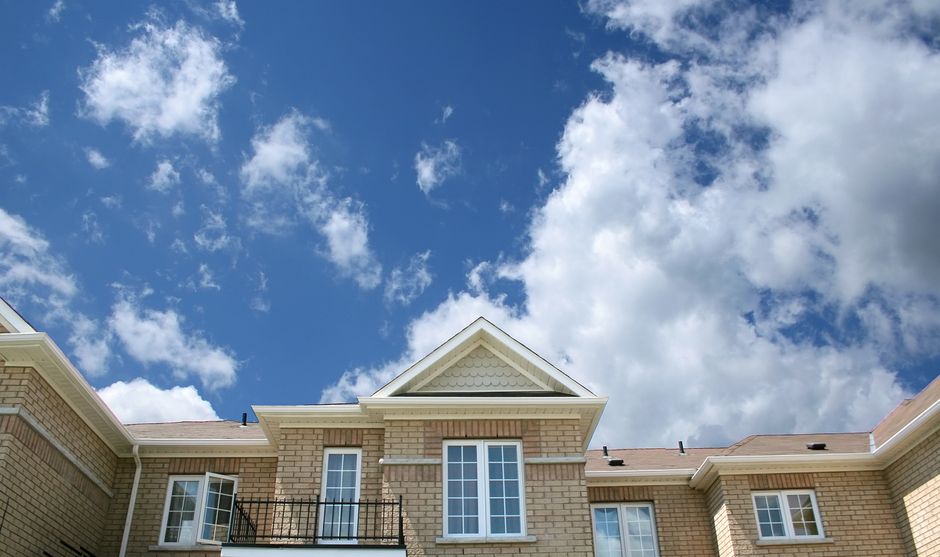
Anyone looking for a place to live in Orlando this summer is likely to face a sobering calculation: the cost of renting has stabilized, but skyrocketing home prices and interest rates have pushed monthly mortgage payments well above those for most rentals. The upshot? For the first time in over a decade, it’s often cheaper to rent than buy across much of the metro area.
The timing couldn’t be more pressing. Orlando’s real estate market remains one of the fastest-growing in the Southeast, with both buyers and renters competing for housing amid high demand. Historically, homeownership has been seen as the better long-term investment—especially in a city flush with newcomers and major employers along I-Drive and in Lake Nona. But this summer, residents from Winter Park to Conway are running the numbers as the housing calculus flips, at least in the short run.
"We used to tell clients that buying was the smart move if they planned to stick around," said an agent at Lake Eola Realty, whose office sits on East Robinson Street. But with mortgage rates holding steady above 7% since last fall and median asking prices in Orlando hitting a record $425,000 in June, that rule has come under question. Over at the City of Orlando's Down Payment Assistance Program, which operates out of Magnolia Avenue, staff report a surge of inquiries from would-be buyers who discover they’re now priced out of the market, even with assistance.
Here’s how the math works out: Renting a two-bedroom unit downtown currently averages $2,000 a month, based on May 2026 figures from Apartment List. Compare that with buying—a typical $425,000 home with 10% down, 7.1% interest, and taxes plus insurance, would cost about $3,140 in monthly payments. Even before factoring in HOA fees in neighborhoods like Baldwin Park, buying is now about 55% more expensive per month than renting a comparable apartment in the same area.
This shift is stark in previously affordable corners of the city as well. In Parramore, median rents have ticked upwards only 3% year-on-year, while listing prices for entry-level homes have jumped 14% since July 2025, according to data from the Orlando Regional Realtor Association. The supply crunch remains, with only 2.7 months’ inventory on the market downtown—well below a balanced market. High mortgage rates and low supply are combining to lock first-time buyers out of the neighborhoods they aspire to live in.
Meanwhile, local rental vacancy rates posted with the University of Central Florida’s Institute for Economic Competitiveness suggest renters aren’t in much danger of major price spikes through the rest of 2026. That gives tenants time to reassess their budgets—at least for now.
So where does this leave Orlando residents? For those intent on buying, patience may be required—agents along South Orange Avenue suggest watching the market over the next nine to twelve months, as additional homes and new apartments in Creative Village hit the market. The City’s affordable homeownership initiatives will update income caps and funding levels in September, according to a June city newsletter. In the meantime, renters may enjoy a temporary edge, but should remain alert for future rent increases or shifts in the mortgage market. For now, across much of Orlando, renting really is the cheaper—and less stressful—way to keep a roof over your head.
Property
Property
Property

Property
About this article
Published by The Daily Orlando
Spread the word
Daily brief
Free, in your inbox before 7am. Weekdays.
The Daily Network — local news across Australia