Property
How Much Rent is Too Much? The 30% Rule in Practice in Orlando
As Orlando rents hover near historic highs, residents ask if the classic affordability rule still holds up in 2026.
4 min read
Property
As Orlando rents hover near historic highs, residents ask if the classic affordability rule still holds up in 2026.
4 min read
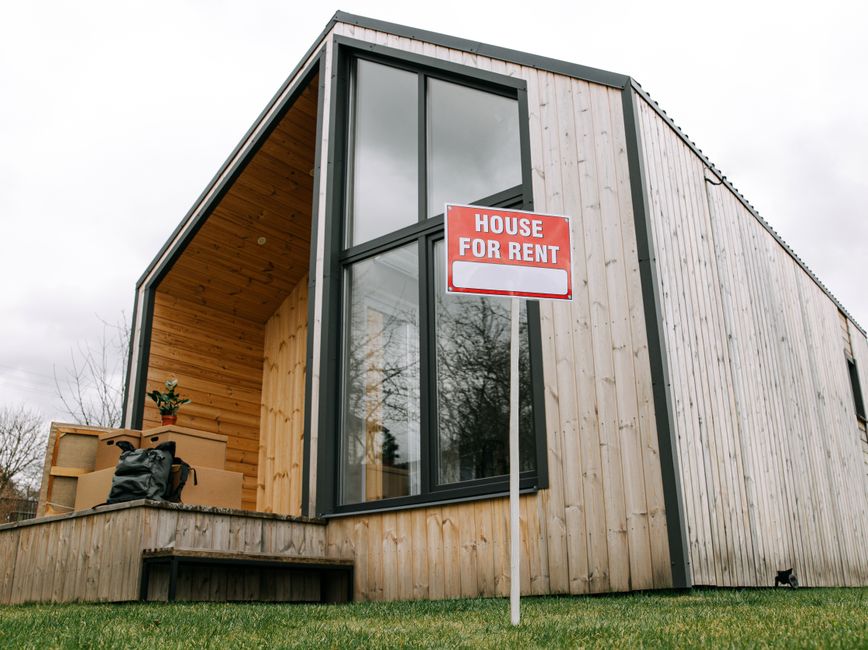
Rents across Orlando have pushed past records this summer, with average monthly costs for a basic one-bedroom topping $1,710 in popular neighborhoods such as Baldwin Park and The Hourglass District, according to June figures from the Orlando Regional Realtor Association. For many tenants squeezed by swelling costs and stagnant wages, the question is growing louder: at what point is rent truly unaffordable?
This debate hits home as triple-digit heat keeps many indoors, reinforcing just how non-negotiable safe, stable housing has become. The 30% rule – a longstanding benchmark that says rent should not exceed 30% of your gross monthly income – is suddenly under fresh scrutiny as local incomes fail to keep pace with rent hikes. With homeownership equally elusive for many first-time buyers, more households find themselves nudged against (or well beyond) the 30% line.
In Lake Nona, a rapidly growing district bordered by Narcoossee Road and State Road 417, this year’s newly built apartment complexes like The Ivy and Nona Park Flats are charging $2,200 for a standard two-bedroom. Meanwhile, in SoDo just south of downtown, mid-century units near Greenwood Urban Wetlands list for $1,825 and up. Local housing advocates such as the Legal Aid Society of the Orange County Bar Association say complaints about sudden rent increases have doubled since the start of 2025.
For renters turning to support programs, City of Orlando’s Emergency Rental Assistance Program processed over 1,100 applications in May alone. Organisers at United Against Poverty, based on West Princeton Street, say even dual-income households are barely skirting eviction risks, especially where one or both incomes come from hospitality or tourism – industries still wobbly in the wake of last year’s heatwave-related slowdowns.
The median household income in the Orlando-Kissimmee-Sanford metro area last year was $68,800, according to the latest U.S. Census update. By the classic rule, that means $1,720 monthly is the upper limit for affordable rent. Yet, as of June 2026, Zillow tracked the median one-bedroom at $1,710 (and climbing), and two-bedrooms at $2,025. In neighborhoods like College Park and parts of Winter Park, prices breach $2,500, meaning many renters already devote 35% or more of their income to housing. According to a University of Central Florida study released in April, 44% of Orlando renters now spend over 30% of their income on rent – making the city one of Florida’s most cost-burdened metro areas.
Data from real estate platform Apartment List shows that since 2021, Orlando rents have grown 35%, outstripping the pace of local wage growth, which ticked up about 17% over the same period. The squeeze is especially acute for service workers and young professionals priced out of starter homes in Altamonte Springs, Maitland or Dr. Phillips.
Some local economists argue the 30% guideline needs a reset: it doesn’t account for massive student debt, climbing health insurance premiums, or day-to-day Orlando expenses like car insurance (Florida’s average premiums remain among the nation’s highest). Financial counselors at the Heart of Florida United Way, based downtown on Central Boulevard, are urging renters to scrutinize spending, consider roommate arrangements, or seek relief through city-backed housing assistance if they breach the affordability threshold.
City officials point to the new Pathways to Home initiative, which will expand subsidized rental units and eviction defense services through 2027. But for many, the bigger test is weathering this summer: as rents rise and heat intensifies, both tenants and buyers will be watching city and county responses closely. For now, the 30% rule remains a red line—one that thousands across Orlando are crossing every month.
Property

Property

Property
Property
About this article
Published by The Daily Orlando
Spread the word
Daily brief
Free, in your inbox before 7am. Weekdays.
The Daily Network — local news across Australia