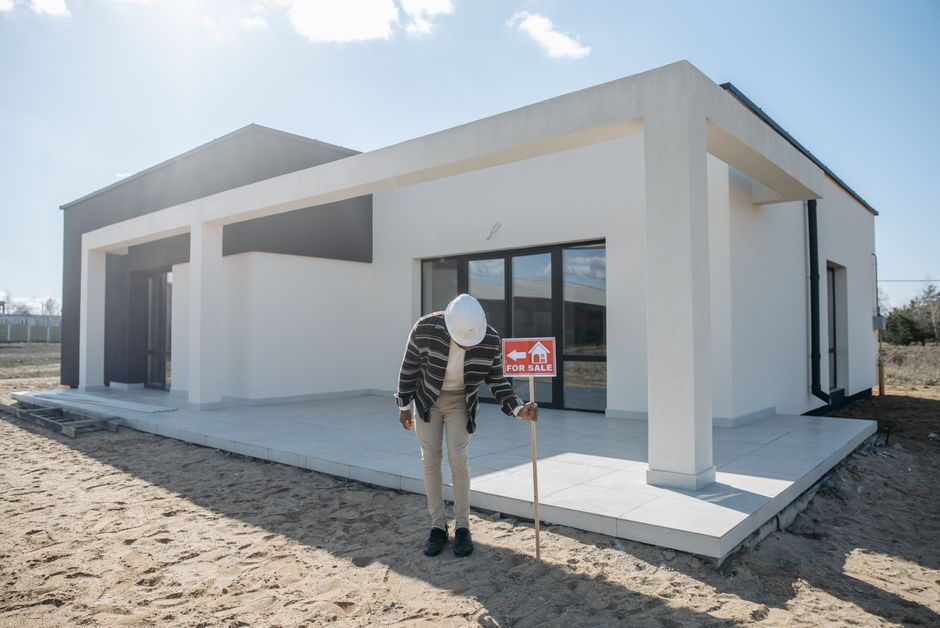
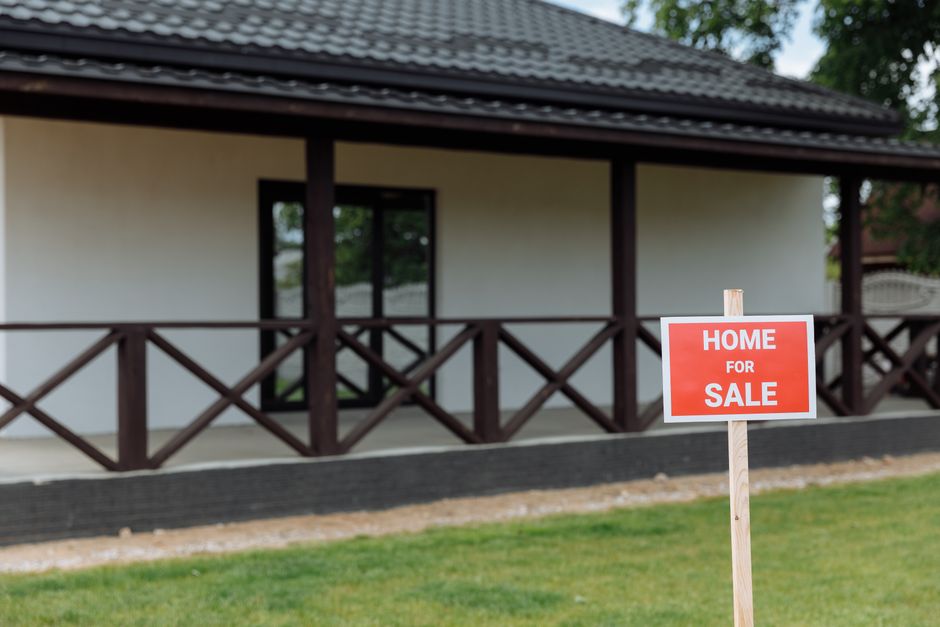
Rows of freshly painted bungalows line Conway Gardens Road, yard signs boasting agents' phone numbers standing out beside bikes and dog walkers. The Curry Ford West district, a sleepy mid-century stretch sandwiched between Downtown and the Orlando Executive Airport, has become the city’s unlikely new magnet for young professionals seeking affordable charm within the metro core.
Why Curry Ford West Is Having a Moment
Rising rents and home prices in Milk District and Baldwin Park have sent first-time buyers and renters south in search of value and community. Curry Ford West’s location—five minutes from Thornton Park and the Colonialtown work hubs—has quickly shifted it from pass-through to destination. Locals now gather at Foxtail Coffee’s sleek 2889 Curry Ford Road outpost, and spicy chicken from Chicken Fire’s brick-and-mortar packs traffic onto Crystal Lake Drive on weekends. Vacant retail once shadowed by dollar stores has filled in with yoga studios, craft beer bars, and a vegan bakery on Bumby Avenue.
According to Sonya McGregor, a realtor with Orlando Urban Homes, the zip code 32806 has seen the steepest decrease in average days on market citywide since the start of 2025. “Everybody wants a walkable block, some funky charm, and access to jobs,” she said. “Curry Ford West has all three.” The Curry Ford West Main Street program—granted nonprofit status in 2019—has doubled its events and small business grants since last year, further accelerating the area’s evolution.
Surging Prices, Shrinking Inventory
Data from the Orlando Regional Realtor Association (ORRA) show median single-family home prices in Curry Ford West leaping from $320,000 two years ago to $401,500 as of June 2026—a 25% jump. Inventory is tight: just 22 single-family homes are listed in July, down from 61 two summers ago. Rental rates have followed, with average two-bedroom apartments between Primrose Drive and Ferncreek now fetching $2,100 per month, up 14% over the past year. Despite the rise, the area’s homes typically need less work than the cinder-block bungalows of Audubon Park and cost around $120,000 less than Baldwin Park’s new builds.
“We’re seeing bidding wars for homes near Dover Shores Community Center,” a local agent noted, referencing the well-used public complex at 1400 Gaston Foster Road. Young couples and singles in their 20s and 30s are driving the trend, many prioritizing mortgage payments over rent in a market now outpacing most of Orange County.
Developers have taken notice: A permit for a new mixed-use building at 2721 Curry Ford Road—25 apartments above ground-floor retail—was approved in May. South Orlando Charities, based on South Bumby Avenue, also launched a down payment assistance pilot this summer targeting local service workers, hoping to soften displacement pressures as prices rise.
Navigating the Hype—What Comes Next
For those considering a move, local advisers recommend acting fast and leveraging programs like Orlando’s Homebuyer Down Payment Assistance, especially as mortgage rates have hovered stubbornly at 6.1% since March. Listings get multiple offers, and fixer-uppers no longer guarantee a bargain as flippers move in. Neighbors are organizing regular block parties and clean-ups—signs of a community eager to shape its destiny as Curry Ford West’s star continues to rise.
Residents caution that while the area still offers opportunities, prices are climbing fast and longtime renters fear being priced out without further city intervention. For now, Curry Ford West is enjoying a rare window where vintage Florida blends with new ambition—if buyers and renters can move quickly enough to claim a spot.