Property
How Much Rent Is Too Much? The 30% Rule in Practice
Orlando renters are spending a record share of their paychecks on housing, and the old rule of thumb is starting to look like wishful thinking.
4 min read
Updated 2 h ago
Property
Orlando renters are spending a record share of their paychecks on housing, and the old rule of thumb is starting to look like wishful thinking.
4 min read
Updated 2 h ago
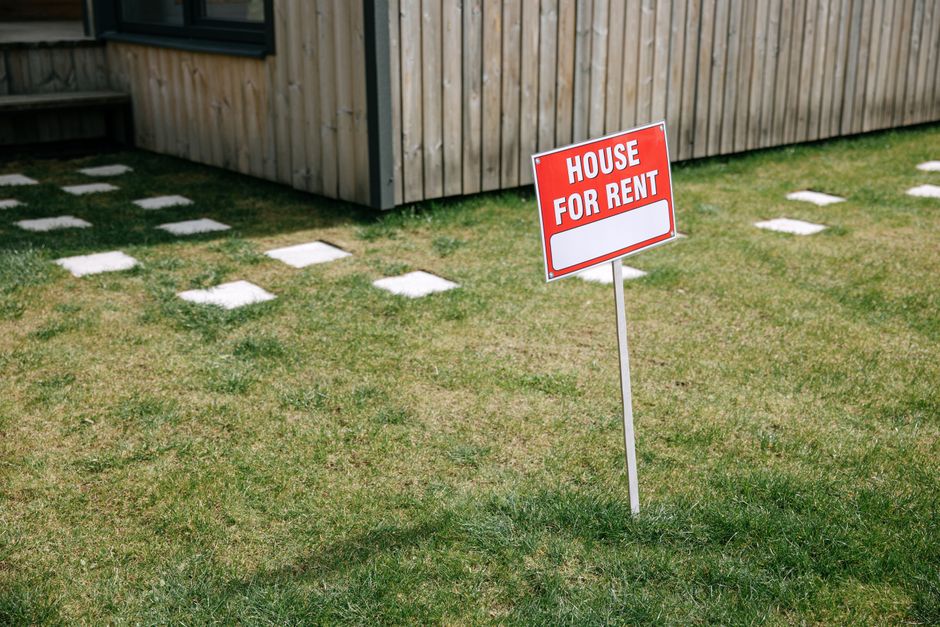
The math is brutal. A renter earning Orlando's median household income of roughly $62,000 a year should, by the classic 30% guideline, spend no more than $1,550 a month on rent. The median asking rent in Orange County hit $1,890 in June 2026, according to tracking by CoStar Group. That gap — $340 a month, or more than $4,000 a year — is what separates the textbook rule from what Orlando renters are actually paying.
The 30% rule dates to the National Housing Act of 1937, when federal officials needed a simple benchmark to determine affordable public housing contributions. It endured because it was easy to calculate and easy to explain. What it was not designed for was a market where rent growth outpaced wage growth by roughly 2 to 1 over the past five years. In Central Florida, that divergence has become the defining financial fact of everyday life for the roughly 55% of Orlando residents who rent rather than own.
Drive down South Orange Blossom Trail and the vacancy signs are gone. Head into the Milk District near East Robinson Street, where one-bedroom apartments listed for $1,150 in 2020 now routinely advertise at $1,600 or above. In the Colonialtown North neighborhood, a two-bedroom unit that cleared $1,400 four years ago now starts at $1,950. Renters earning $50,000 a year — a realistic salary for a hospitality worker, teacher's aide, or entry-level healthcare technician — would need to hold rent below $1,250 to stay within the 30% threshold. Good luck finding that in a neighborhood with functional plumbing and a working air conditioner in July.
The Orange County Housing Finance Authority has documented the crunch in its 2025 annual report, which found that 47% of renter households in the county qualify as cost-burdened, meaning they spend more than 30% of gross income on housing costs. Nearly a quarter — 23% — are severely cost-burdened, exceeding 50%. Those figures place Orlando among the top fifteen most cost-burdened large metros in the United States, edging out Miami in the most recent comparison period.
Homeownership is not the automatic escape hatch it once appeared. A median-priced single-family home in Orlando now lists at approximately $398,000, per the Orlando Regional Realtor Association's May 2026 data. At a 30-year fixed rate of 6.75%, a buyer putting 10% down faces a monthly principal-and-interest payment of around $2,330 — before insurance, property taxes, and HOA fees that can easily add another $600 to $700 in communities like Horizon West or Laureate Park in Lake Nona. For a household earning $62,000, that total monthly outlay puts ownership even further out of reach than renting, at least in the short term.
The City of Orlando's Office of Housing and Community Development administers several assistance programs, including the federally funded HOME Investment Partnerships Program, which periodically opens waitlists for rental assistance and down-payment support. The waitlists move slowly — the last lottery for down-payment assistance through that program drew more than 4,000 applicants for fewer than 300 slots in March 2025. Nonprofit housing counselor Community Housing Initiative, based on West Central Boulevard, offers free budget counseling and can help renters negotiate lease terms or identify income-restricted units across the metro.
Financial planners who work with Orlando clients increasingly tell renters to treat 35% of gross income as the practical ceiling, not the ideal. Anything above 40% triggers a cascading squeeze on emergency savings, retirement contributions, and food security. The advice for renters approaching a lease renewal: negotiate early, document comparable listings in the same ZIP code, and ask landlords directly about multi-year lease discounts, which some property managers in downtown Orlando and the Hourglass District will entertain to reduce turnover costs.
The Fourth of July weekend offers a moment of pause before the fall rental cycle heats up again — September and October are historically the busiest months for lease renewals in Orange County. Renters whose leases expire in that window have roughly eight to ten weeks to run the numbers, talk to a housing counselor, and decide whether to sign, negotiate, or finally test the ownership market. Eight weeks is not much time. But it is enough to know what 30% of your paycheck actually is — and whether your landlord is asking for more.
Property

Property
Property
Property
About this article
Published by The Daily Orlando
Spread the word
Daily brief
Free, in your inbox before 7am. Weekdays.
The Daily Network — local news across Australia