Property
How Much Rent Is Too Much? The 30% Rule in Practice
Orlando renters are spending well past the old affordability threshold — and the math on buying isn't much friendlier.
4 min read
Updated 2 h ago
Property
Orlando renters are spending well past the old affordability threshold — and the math on buying isn't much friendlier.
4 min read
Updated 2 h ago
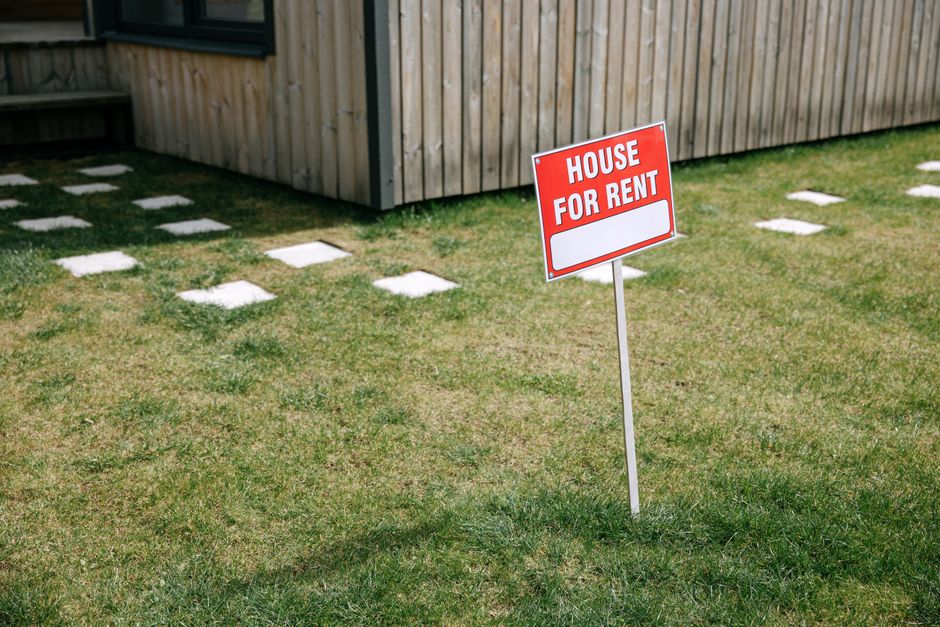
The median renter in Orlando now spends roughly 37 cents of every earned dollar on housing. That single number — compiled from Florida Housing Coalition data through the first quarter of 2026 — puts the city well past the federal government's long-standing affordability benchmark, which caps housing costs at 30% of gross income. Cross that line, and you are, by official definition, cost-burdened.
This matters today because the gap between renting and buying in Central Florida has narrowed in ways that force a real calculation. Mortgage rates are still hovering around 6.7% on a 30-year fixed loan. Home prices in Orange County have held stubbornly near $390,000 at the median. And meanwhile, average asking rents for a two-bedroom unit inside the Interstate 4 corridor — think Milk District, College Park, Colonialtown North — have climbed to around $2,050 a month, according to CoStar tracking data from June 2026. A household would need to gross just under $82,000 a year to keep that rent payment at or below 30%. The median household income for Orlando city proper sits closer to $62,000.
Walk the stretch of Edgewater Drive in College Park on any weekday and you'll find landlord-posted vacancy signs alongside notices advertising units at $1,900 for 850 square feet. At that rent, a renter needs to be pulling in about $76,000 annually to stay within the rule. Most service and hospitality workers — the backbone of the local economy, given the tourism industry centered on International Drive and the theme park corridor — earn between $35,000 and $50,000 a year. For those workers, rent routinely consumes 45% to 55% of monthly take-home pay.
The Orlando Housing Authority's Housing Choice Voucher program — commonly called Section 8 — currently has a waitlist that has been closed to new applicants since March 2025. The nonprofit Pathlight HOME, which operates affordable units in the Pine Hills and Mercy Drive corridors on the city's west side, reported in its 2025 annual summary that it turned away more than 1,400 applicants for fewer than 200 available units. The supply-demand math is punishing.
Buying isn't a clean escape route either. On a $390,000 purchase with a 5% down payment, the monthly principal and interest payment alone runs about $2,470. Add property taxes averaging $4,200 a year in Orange County, homeowner's insurance — which has surged in Florida, with some carriers citing 2024 storm exposure — and HOA fees common in developments like those off South Semoran Boulevard near the 417, and total monthly housing costs clear $3,100 easily. To keep that under 30% of gross income, a buyer needs to earn roughly $124,000 a year. That rules out the majority of Orlando households.
Financial counselors at the Central Florida Urban League on West Colonial Drive advise clients to apply the 30% rule to net income — take-home pay after taxes — not gross, which offers a more honest picture of what is affordable month to month. On that calculation, the threshold tightens further, and the urgency to find a subsidy, a roommate, or a lower-cost submarket becomes clearer.
Submarkets still offering relative relief include parts of Pine Castle, south of the Florida Mall off South Orange Blossom Trail, where some two-bedroom units list below $1,700. Apopka, roughly 18 miles northwest of downtown, still has pockets of inventory under $1,600, though prices there moved up nearly 8% in the 12 months ending May 2026, per Zillow's metro-level index.
Florida's State Apartment Incentive Loan program, known as SAIL, has a 2026 funding round that closes in September. Developers who successfully apply could deliver new affordable units by late 2028 — a timeline that offers little comfort to a renter signing a lease renewal today. The practical advice for now: know your actual number before you sign anything. Take your gross monthly income, multiply by 0.30, and treat that figure as a ceiling. If the rent is above it, you are not looking at a temporary squeeze. You are looking at a structural shortfall that compounds every month it continues.
Property

Property
Property

Property
About this article
Published by The Daily Orlando
Spread the word
Daily brief
Free, in your inbox before 7am. Weekdays.
The Daily Network — local news across Australia