Wellness
The Science Behind Mindfulness: What It Actually Does to the Brain
Neuroscientists have mapped exactly how meditation reshapes gray matter — and Orlando's wellness community is catching up fast.
4 min read
Updated 2 h ago
Wellness
Neuroscientists have mapped exactly how meditation reshapes gray matter — and Orlando's wellness community is catching up fast.
4 min read
Updated 2 h ago
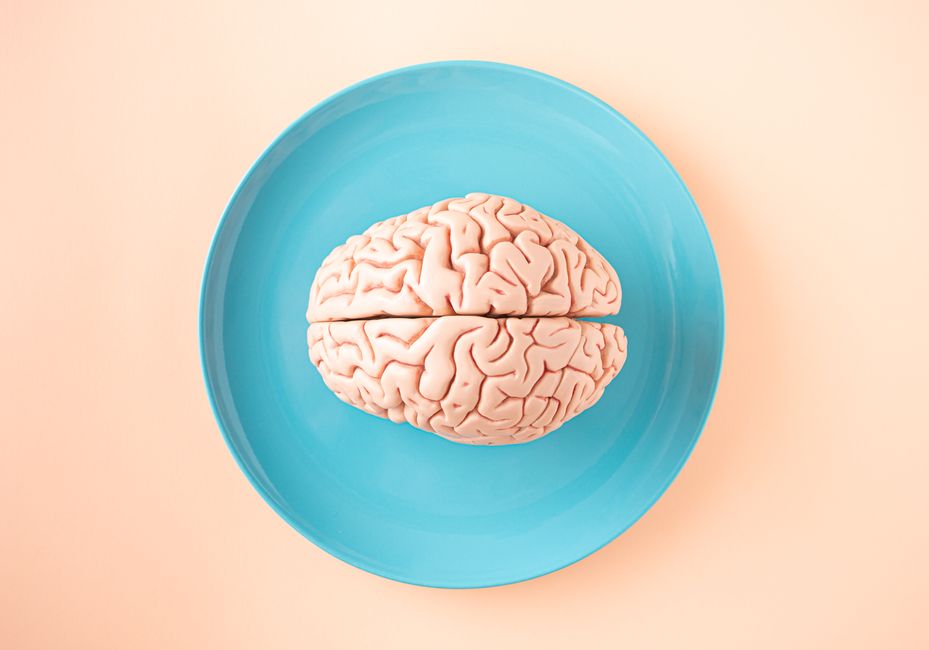
Eight weeks. That's how long it takes for a consistent mindfulness practice to produce measurable structural changes in the human brain, according to landmark research out of Harvard Medical School. The 2011 study, which used MRI scans to track 16 participants through an eight-week Mindfulness-Based Stress Reduction program, found increased gray matter density in the hippocampus — the region tied to learning and memory — and a corresponding shrinkage in the amygdala, the brain's fear and stress processing hub. Those are not small findings. They are precisely why clinicians, corporate HR departments, and yoga studios from Winter Park to Thornton Park have been talking about meditation differently in 2026.
The timing matters. Global heat records are shattering, economic anxiety is stubborn, and the 24-hour news cycle has become a kind of ambient stress machine. The American Psychological Association's 2025 Stress in America report put chronic stress prevalence among adults aged 18 to 45 at 67 percent — up five points from 2022. Neurologists argue that the brain, under sustained cortisol exposure, physically changes in ways that compound anxiety. Mindfulness, the research increasingly suggests, can interrupt that cycle at the biological level.
The prefrontal cortex is where the story gets interesting. This is the region responsible for executive function — decision-making, impulse control, perspective-taking. Chronic stress thins it. Meditation thickens it. A 2014 meta-analysis published in Neuroscience & Biobehavioral Reviews examined 123 separate neuroimaging studies and identified eight specific brain regions consistently altered by meditation practice, including the frontopolar cortex, the sensory cortices, and the insula, which governs body awareness and emotional regulation. The default mode network — the mental chatter loop that fires when your mind wanders — also shows reduced activity in experienced meditators, which is why practitioners often describe a quieting of background noise after consistent practice.
Dopamine is part of the picture too. A 2002 study from the University of Wisconsin found an 65 percent increase in gamma brain wave activity during meditation — waves associated with heightened perception and cognitive clarity. That neurochemical shift has real-world consequences for mood, focus, and what researchers call "psychological flexibility," the ability to sit with discomfort without reacting impulsively.
The city's wellness infrastructure has expanded significantly to meet demand. The Orlando Shambhala Meditation Center, located near the Mills 50 district on North Mills Avenue, offers drop-in meditation sessions starting at $10, with sliding-scale pricing for anyone who asks. Their Sunday morning sits run 45 minutes and are built on the Tibetan Buddhist tradition of shamatha — calm abiding — which is among the most studied styles in clinical literature.
On the boutique end, Hatch1860 in the Milk District has integrated guided breathwork and mindfulness into its group fitness programming. A single session runs $22, with monthly memberships starting at $89. The Winter Park YMCA on South Denning Drive runs a six-week Mindfulness-Based Stress Reduction course each fall — the same eight-session format used in the original Harvard trials — for $120 for members and $160 for non-members. Registration for the October 2026 cohort opens August 15.
For anyone who prefers to start at home, the evidence still holds. The research does not require a studio or a cushion. Studies show that even 10 to 13 minutes of daily focused breathing practice, sustained over eight weeks, produces cognitive improvements detectable on standardized attention tests. Apps like Insight Timer offer hundreds of free guided sessions, and several Orlando Public Library branches — including the Melrose Center location on South Orange Avenue — host free in-person meditation groups on weekday mornings.
The practical advice from the neuroscience is straightforward: start short, start now, and stay consistent. The brain responds to repetition. Three minutes a day builds to ten. Ten builds to twenty. The structural changes documented in MRI studies don't require monastic commitment — they require showing up regularly enough that the practice becomes, like the research itself, unremarkable. A habit rather than an event. Talk to your doctor or a qualified mental health professional before starting any new wellness program, particularly if you're managing anxiety, depression, or trauma.
About this article
Published by The Daily Orlando
Spread the word
Daily brief
Free, in your inbox before 7am. Weekdays.
The Daily Network — local news across Australia