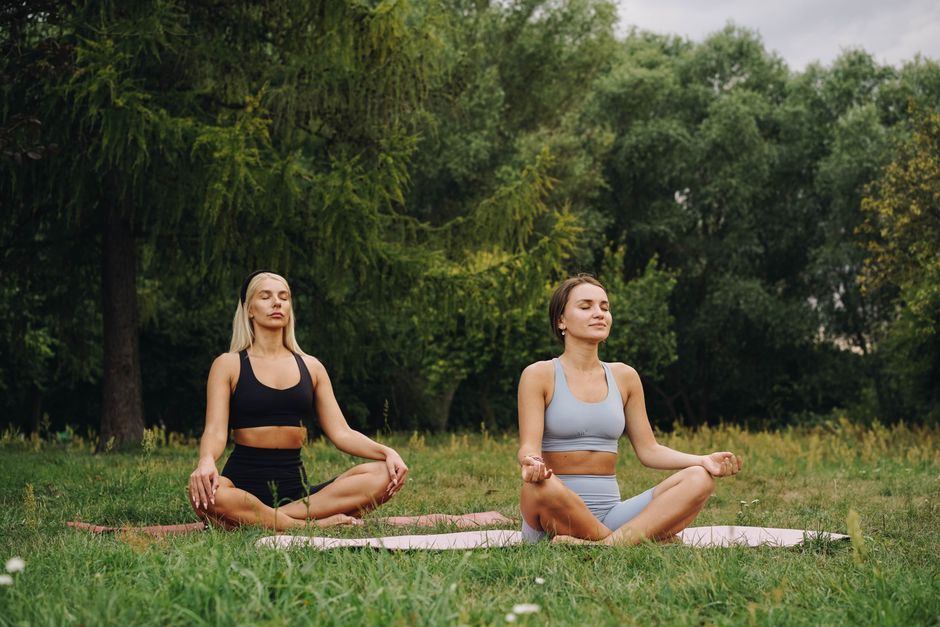
Orlando's wellness community is not slowing down. Enrollment in structured meditation programs across Orange County has climbed steadily since 2023, and local instructors report that summer — when heat keeps residents indoors and holiday stress peaks — consistently drives the biggest surge in first-time students. On a holiday weekend like this Fourth of July, that trend is showing up again at studio front desks across the city.
The timing matters. Americans are logging an average of 6.4 hours of screen time daily, according to DataReportal's 2025 global report, and workplace burnout surveys now rank the Orlando metro among the top 20 most stressed mid-size cities in the country. Stress, sleep disruption and anxiety are the three complaints physicians at AdventHealth's downtown Orlando campus most commonly hear from otherwise healthy patients under 45. Structured mindfulness practice has a documented record against all three — the American Psychological Association reviewed more than 200 clinical trials in 2024 and found consistent reductions in self-reported anxiety among adults who practiced eight or more weeks of guided meditation.
Where to Show Up in Person
The most established entry point in town is the Mindfulness Center of Orlando on Corrine Drive in the Audubon Park Garden District. The center runs an eight-week Mindfulness-Based Stress Reduction course modeled directly on the curriculum developed at the University of Massachusetts Medical School. The next cohort begins August 4, with sessions running Tuesday evenings for two hours. Cost is $295 for the full program, with a sliding-scale option for anyone earning under $40,000 annually. Walk-in orientation sessions on the first Monday of each month are free.
Downtown, the nonprofit Yoga Arts Orlando — operating out of a second-floor studio on South Orange Avenue near Lake Eola — hosts a Sunday morning community meditation sit at 8 a.m. that has run without interruption since 2019. The 45-minute session is donation-based; the suggested amount is $10, but no one is turned away. The studio also partners with the Dr. P. Phillips YMCA on Della Drive to offer a six-week introductory series three times per year, the next round starting September 8. Those sessions are included in standard YMCA membership.
For something more contemplative and structured, the Shambhala Meditation Center, which holds its gatherings at a rented space near the Mills 50 District on Virginia Drive, runs twice-monthly weekend programs rooted in Tibetan Buddhist tradition. No religious affiliation is required. Drop-in rate is $15; monthly membership is $45 and includes unlimited access to weeknight sits.
The App Question: Do They Actually Work?
Three apps dominate the conversation among Orlando practitioners right now: Insight Timer, Calm and the newer Waking Up, developed by philosopher and neuroscientist Sam Harris. Insight Timer is the only one with a fully free tier that includes thousands of guided sessions — useful if you want to experiment before committing money. Calm's annual subscription runs $69.99 and includes sleep-specific content, which local sleep therapists at the Florida Sleep Institute in Dr. Phillips have noted can be a useful complement to clinical treatment, though not a replacement. Waking Up costs $99.99 per year but offers a free scholarship program accessible directly through its website — worth checking before paying.
The practical advice here is straightforward: start with a free in-person session before buying anything. The Mindfulness Center's Monday orientations and Yoga Arts Orlando's Sunday sits cost nothing and give you a real sense of whether group practice suits you. If commuting to a studio doesn't fit your schedule, Insight Timer's free library is genuinely large enough to build a consistent habit. The research suggests consistency beats duration — ten minutes daily produces measurable results faster than a once-a-week hour-long session.
If you're unsure where your stress or sleep issues fall on the clinical spectrum, talk to your primary care provider before treating meditation as a standalone solution. Several physicians in the Orlando Health network now routinely refer patients to the MBSR course at the Mindfulness Center — a sign that the conversation between conventional medicine and contemplative practice in this city has moved well past skepticism.