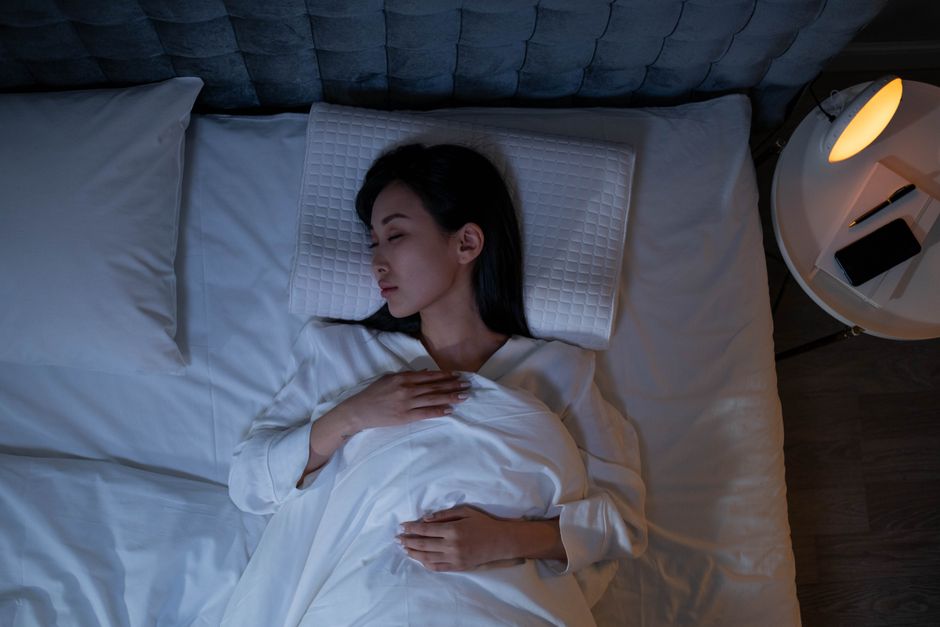
Appointments at Orlando-area sleep clinics are filling weeks out, and the reason isn't hard to find: Central Florida recorded 22 consecutive days above 95°F in June, and sleep physicians say sustained overnight heat is one of the most underappreciated drivers of chronic sleep disruption. The body needs a drop in core temperature to initiate deep sleep, and when bedroom air stays thick and warm past midnight, that process stalls.
Sleep deprivation isn't a minor inconvenience. The Centers for Disease Control and Prevention estimates that roughly one in three American adults regularly gets fewer than seven hours of sleep per night — a threshold linked to elevated risks of hypertension, Type 2 diabetes, and mood disorders. In Orange County, where Orlando sits, primary care providers have flagged sleep complaints as among the top five reasons patients schedule non-urgent appointments, according to data compiled by AdventHealth's outpatient network in its 2025 annual community health summary.
What Orlando's Sleep Centers Actually Offer
Two facilities dominate the conversation for residents on the east side of the city. AdventHealth Sleep Disorders Center, located on Rollins Street in the Colonialtown area, runs both in-lab polysomnography studies and home sleep apnea testing kits. The in-lab study requires an overnight stay — patients arrive around 8 p.m. and are monitored by a registered polysomnographic technologist while sensors track brain waves, oxygen levels, heart rate, and limb movement across roughly seven hours. Results are reviewed by a board-certified sleep medicine physician, typically within five to seven business days.
On the west side of town, Orlando Health's Sleep Center at the Dr. P. Phillips Hospital campus on Sand Lake Road offers a comparable diagnostic menu, including split-night studies — where the first half of the night establishes a baseline and the second half tests CPAP therapy if apnea is detected early enough. That efficiency matters: a split-night study can shave weeks off the path to a treatment prescription. Both facilities accept most major insurance plans, and out-of-pocket costs for a home sleep test generally run between $150 and $300 after insurance, while a full in-lab study without coverage can reach $1,500 to $3,000 depending on complexity.
For residents in the northern suburbs, the University of Florida Health Sleep Center at its Maitland Boulevard clinic in Altamonte Springs has expanded its telehealth pre-screening program since January 2026, allowing patients to complete intake assessments and receive home-testing devices without an initial in-person visit. That pathway has cut average wait times from six weeks down to roughly 18 days, according to the clinic's published patient information.
Getting Referred — and What Comes After
Most insurance plans require a physician referral before covering a sleep study, so the practical first step is a conversation with a primary care doctor or internist. Those without an established provider can access same-week appointments through Orlando Health's FastCare locations, including the clinic inside the Walmart Supercenter on South Orange Blossom Trail. Bring a written log of sleep and wake times from the previous two weeks — clinicians consistently say it's the single most useful piece of information a new patient can provide.
A diagnosis of obstructive sleep apnea, the most common finding, typically leads to a CPAP prescription within two to three weeks of the study. But apnea isn't the only condition sleep labs assess. Restless legs syndrome, narcolepsy, REM sleep behavior disorder, and circadian rhythm disruptions all require overnight data to diagnose properly. The Epworth Sleepiness Scale — a simple eight-question self-assessment freely available through the American Academy of Sleep Medicine at sleepeducation.org — can help residents gauge whether their fatigue warrants a formal evaluation before picking up the phone.
The July 4th holiday weekend tends to push health decisions to the back burner. Sleep specialists say that's exactly the wrong instinct. Fatigue compounds across weeks, not just nights, and the sooner a diagnostic baseline is established, the sooner treatment can begin. Anyone who has spent the last month watching the ceiling fan at 2 a.m. probably already knows the answer. Consult a local medical professional for guidance specific to your own situation.