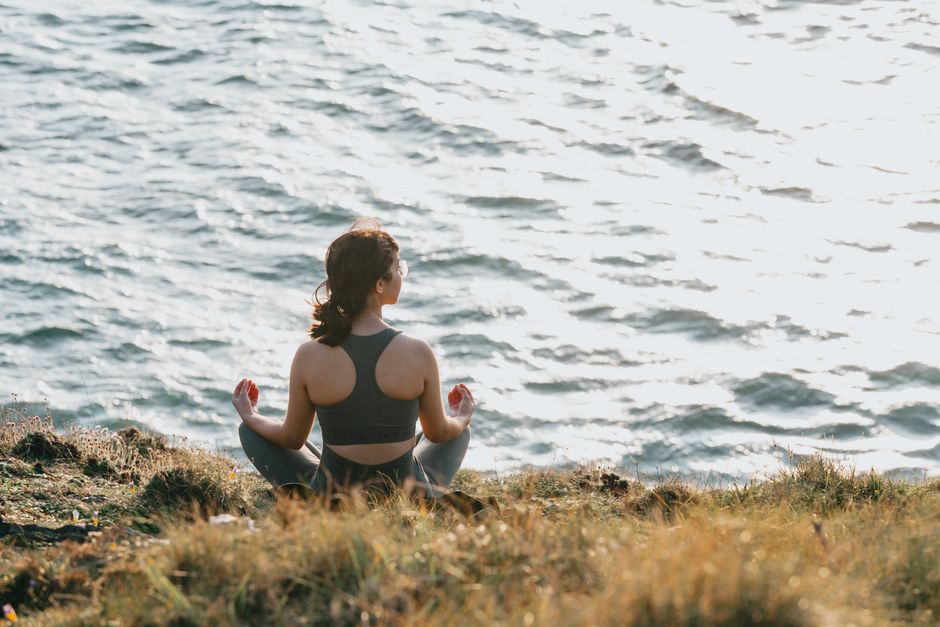
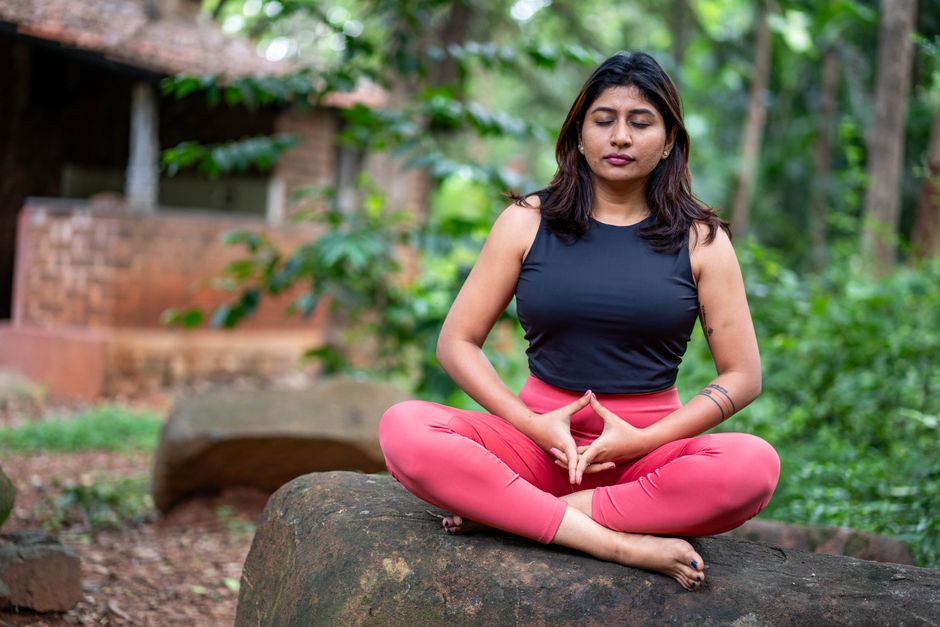
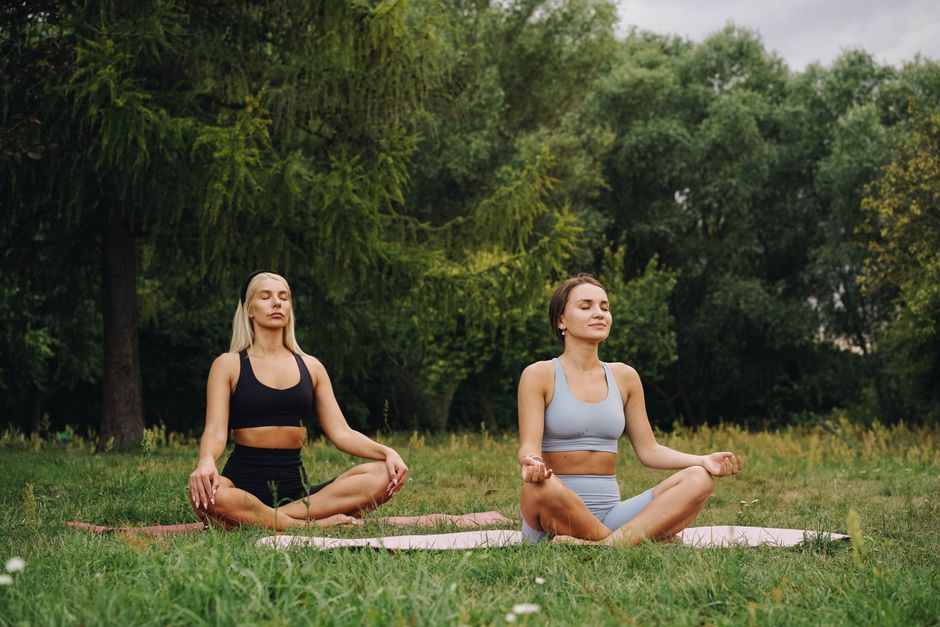
Enrollment in Central Florida meditation programs jumped roughly 34 percent between January and June 2026, according to figures shared by several independent studios in the Mills 50 district. The post-pandemic curiosity about mental stillness hasn't faded — if anything, the summer heat and the relentless pace of a city that hosted 74 million tourists in 2025 have pushed more Orlandoans toward the cushion.
There's real urgency behind the numbers. A 2025 American Psychological Association survey found 77 percent of U.S. adults reported physical or emotional stress symptoms in any given month. For a metro area that leans heavily on hospitality and service-sector work — long shifts, unpredictable hours, a commute that can stretch 45 minutes on I-4 before 8 a.m. — the chronic stress load is substantial. Mindfulness instruction has moved from something people did quietly on their own to a scheduled, social practice. That shift is visible on any Tuesday night in the Colonialtown neighborhood.
Across town, the Orlando Shambhala Meditation Center on East Colonial Drive holds open-house sits on the first and third Saturday of each month. No registration required, no fee, though donations are accepted. The center has operated continuously since 2003 and draws a crowd that skews older than most studios — retirees, veterans, and people returning to practice after years away. For first-timers anxious about doing it wrong, the Saturday sessions include a brief instructional period before the group sits together in silence for 25 minutes.
Lake Eola Park hosts an informal free meditation circle organized by a volunteer group called the Orlando Mindful Living Collective, which meets every Sunday morning at 7:30 a.m. near the fountain bandshell. Rain cancellations are posted to their Meetup.com page, which had 1,240 members as of late June 2026. Bring your own mat. The city's humidity is already visible by 8 a.m. in July, so the early start time is deliberate.
For something more structured, the UCF Mindfulness Clinic in the College of Sciences building on Gemini Boulevard offers an eight-week MBSR course each quarter, priced at $195 for the public. The next cohort begins September 9. Sliding-scale spots are available for students and low-income participants.
Apps That Actually Work for Florida Schedules
When a 2 p.m. thunderstorm cancels your outdoor plans or a 10-hour shift leaves no room for a studio class, apps fill the gap. Calm remains the market leader — a yearly subscription runs $69.99 — and its sleep meditation tracks are genuinely useful for shift workers adjusting sleep cycles. Insight Timer is free for its core library of over 200,000 guided sessions, and several Orlando-based instructors have uploaded content to the platform, meaning you can follow a local teacher while sitting in your apartment in Milk District.
Headspace has a dedicated stress-management track, 30 sessions of roughly 10 minutes each, that pairs well with the MBSR principles taught at the UCF clinic. It costs $12.99 per month. For those who prefer a secular, science-forward approach, the Ten Percent Happier app at $99.99 annually features courses built around cognitive science research — less incense, more mechanism.
Starting any practice doesn't require much. Pick one entry point: the Sunday morning circle at Lake Eola, the free Shambhala Saturday sit, or 10 minutes on Insight Timer before bed tonight. Consistency over a few weeks matters far more than any single perfect session. For anyone managing a clinical condition — anxiety disorder, chronic pain, PTSD — a conversation with a licensed Orlando-area mental health professional before starting a formal program is worth scheduling alongside whatever class you book first.