The numbers landed hard. A 2023 advisory from U.S. Surgeon General Dr. Vivek Murthy declared loneliness a full-blown public health crisis, estimating that more than half of American adults report measurable levels of social isolation. For a city like Orlando — 320,000 residents packed between theme park corridors and sprawling suburban developments off State Road 50 — that statistic isn't abstract. Local mental health providers say they've watched demand for stress and anxiety counseling climb steadily since 2022, with isolation cited repeatedly as an underlying driver.
The timing matters. July in Central Florida is brutal: 93-degree heat pushes people indoors, tourism traffic fractures neighborhood rhythms, and the post-holiday lull between Memorial Day plans and back-to-school routines leaves a social vacuum that catches many residents off guard. Mental health professionals refer to this stretch as a high-risk window for what they call "ambient loneliness" — the low-grade disconnection people feel even when surrounded by others.
Orlando Organizations Treating Loneliness Like a Medical Condition
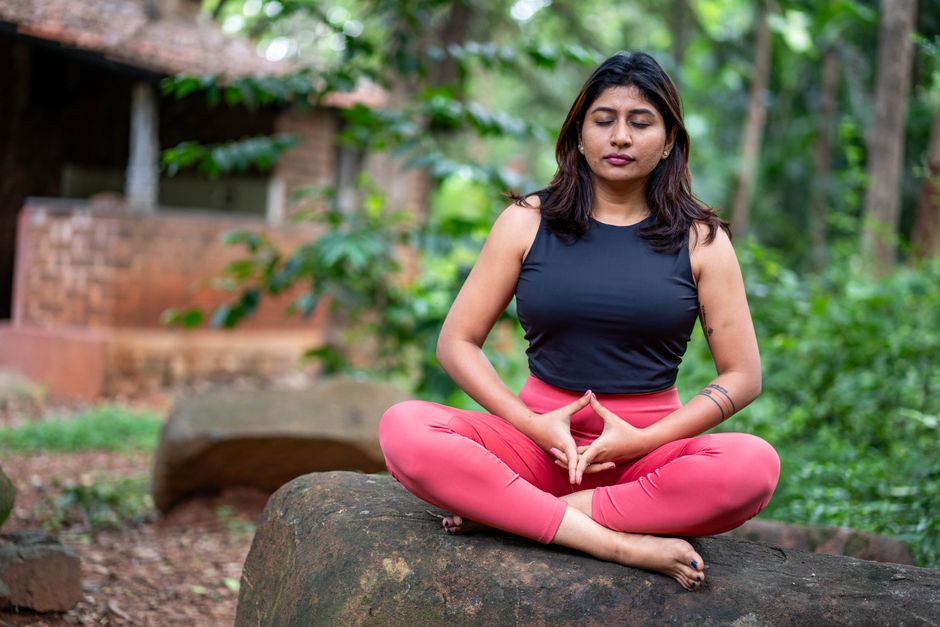
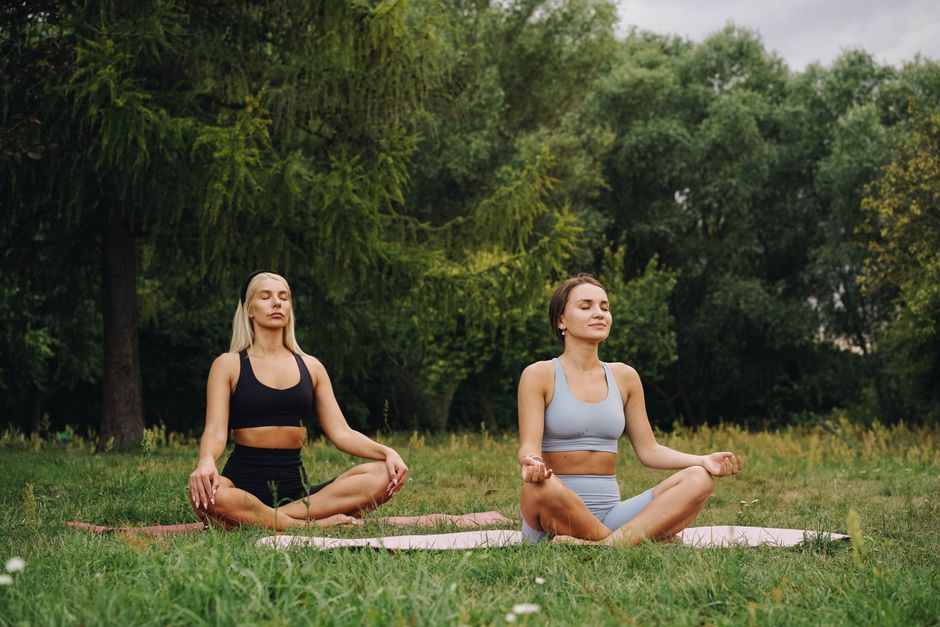
The response from Orlando's wellness sector has been practical and, in some cases, surprisingly creative. Yoga Den, with its studio on Edgewater Drive in College Park, launched a "Community Mat" initiative in January 2026 — a pay-what-you-can Sunday class explicitly marketed not around flexibility or fitness but around showing up alongside other people. Attendance has grown week over week since February, according to the studio's public social posts. A few miles east, The Wellness Collective Orlando, based near the Mills 50 district on Virginia Drive, runs a Thursday evening group called Unplug & Connect, a 90-minute facilitator-led session that bans phones and centers conversation. Spots fill within 48 hours of opening each month at $18 per person.
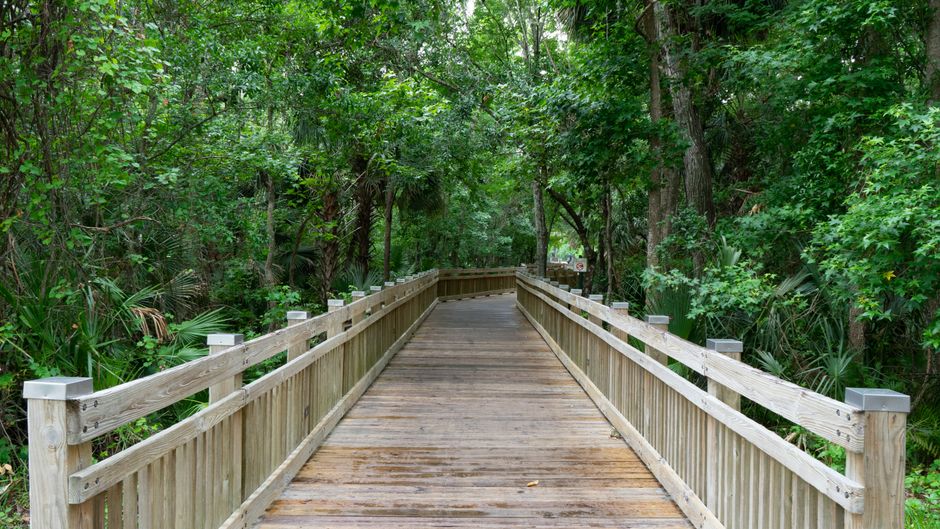
Orlando's parks system has also become an unlikely infrastructure for this kind of social medicine. The 105-acre Lake Eola Park in downtown remains one of the city's most reliably social outdoor spaces, hosting the Sunday Farmers Market year-round — a weekly gathering that draws an estimated 10,000 visitors per week during cooler months. Even in July, the 7 a.m. opening hour pulls regulars before the heat peaks. Clinicians at Orlando Health's behavioral health division have begun informally recommending structured community events like this as a supplement to traditional therapy, treating regular social attendance the way a cardiologist might treat a walking program.
What the Evidence Actually Says
The physiological case for connection is no longer soft science. Brigham Young University researchers found in a widely cited meta-analysis that social isolation increases mortality risk by 26 percent. A separate 2024 study published in the journal Nature Medicine tied chronic loneliness to elevated cortisol levels comparable to those produced by long-term job insecurity. Translation: sustained loneliness isn't a mood. It's a stressor with measurable biological consequences, including disrupted sleep, weakened immune response, and heightened inflammation markers.
For Orlando residents navigating this, mental health counselors consistently point to a few evidence-backed entry points. The first is specificity — joining a group organized around a concrete activity rather than a vague social goal. Fear of a blank social interaction keeps many people home; a Tuesday night trivia night at Will's Pub on Mills Avenue, or a weekend group ride organized through the Orlando Cycling Club out of Cady Way Trail, removes that ambiguity. The second is frequency over intensity. Research supports brief, repeated contact — a five-minute conversation with a neighbor three times a week — over one longer, emotionally demanding social event per month. The third is professional support when isolation has already calcified into depression. The Zebra Coalition, a nonprofit serving LGBTQ+ youth on North Orange Avenue, and NAMI Central Florida, which holds free support groups monthly at locations across Orange County, both offer no-cost or low-cost entry points for people who aren't sure where to start.
The prescription isn't complicated. Show up somewhere specific, do it regularly, and when it stops being enough on its own, ask for help. Orlando has the infrastructure. The harder part, as any honest clinician will tell you, is convincing people that needing connection in the first place isn't a weakness worth hiding.