The single biggest mistake most adults make about sleep isn't staying up too late. It's treating the hour before bed as dead time rather than the most critical window of the night. Sleep researchers at the American Academy of Sleep Medicine now describe what they call "sleep pressure architecture" — the biological cascade that must unfold in the 60 to 90 minutes before lights-out for deep, restorative sleep to actually happen. Get that window wrong, and eight hours in bed can still leave you ragged.
This matters acutely right now, in the thick of a Central Florida summer. July heat pushes bedroom temperatures into ranges that actively suppress melatonin production. The body needs to drop its core temperature by roughly 1 to 2 degrees Fahrenheit to initiate sleep onset, and when outdoor lows stay above 78°F — as they have every night this week in Orlando — that process fights against the environment. Combine that with the Fourth of July weekend's late-night fireworks, holiday schedules, and travel disruption, and you have a perfect recipe for what sleep clinicians call "social jet lag."
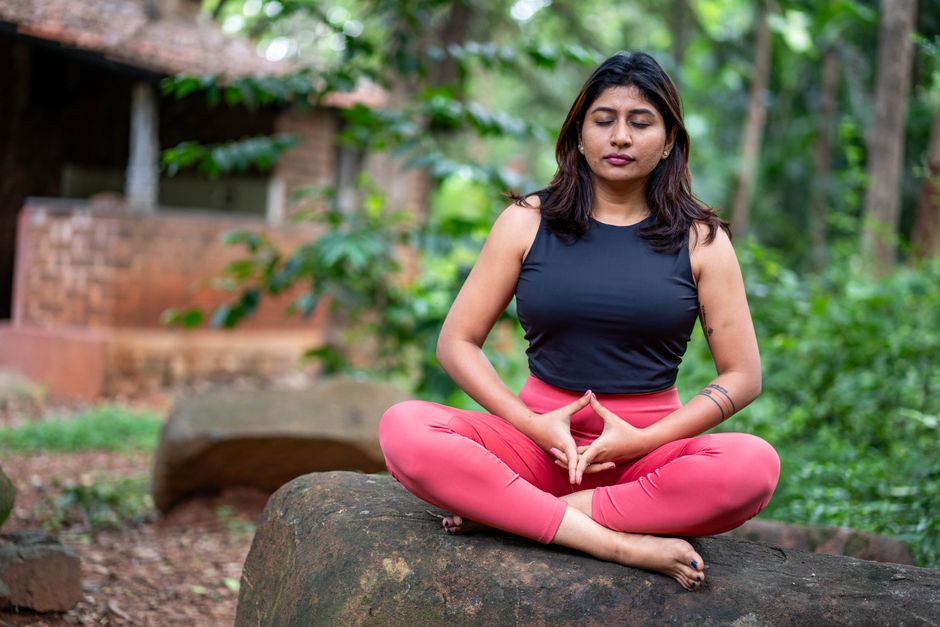
Local wellness communities are responding. The Thornton Park neighbourhood has seen a notable uptick in what instructors at the Harmony Yoga studio on Washington Street describe informally as "closing practice" classes — restorative sessions scheduled between 8 and 9 p.m. specifically to prime the nervous system for sleep rather than to build fitness. Over on Mills Avenue in the Mills 50 district, Float Orlando offers a 90-minute sensory deprivation float that their scheduling data shows is most frequently booked in the 7 to 9 p.m. slot on weeknights — customers explicitly citing sleep quality as their primary motivation. The Winter Park Recreation Department also runs a free weekly "Evening Restore" stretch program at Shady Park, 1200 Spruce Avenue, every Tuesday at 7:30 p.m.
What the Research Actually Recommends
A 2024 study published in the journal Sleep Health tracked 1,622 adults over 14 weeks and found that people who followed a consistent pre-sleep routine — same sequence, same timing, regardless of when they went to bed — fell asleep an average of 9.3 minutes faster and reported 27 percent higher next-morning alertness scores than control groups. The routine itself mattered less than its consistency. That finding gives Orlando's wellness culture something concrete to work with.
Sleep science points to four high-yield habits for the 60-minute pre-bed window. First, lower your thermostat to between 65 and 68°F — expensive during a Florida summer, but the research is unambiguous about its effect on sleep latency. Second, kill overhead lighting and switch to lamps or candlelight 90 minutes before bed; the human circadian system responds to light intensity, not just blue wavelengths, so dimming matters as much as screen-free time. Third, a warm shower or bath roughly an hour before bed counterintuitively accelerates core body cooling by drawing blood to the skin surface. Fourth, write a brief "tomorrow list" — three to five tasks you're handing off to morning-self — which a 2023 Baylor University study found reduced pre-sleep cognitive arousal more effectively than journaling about the day itself.
Building a Routine That Sticks in the Florida Heat
The sequencing matters. Start dimming lights at 9 p.m. Take the warm shower around 9:15. Spend 20 minutes on light stretching or the kind of restorative yoga taught at places like Harmony or the Orlando Yoga Center on Edgewater Drive. Write your tomorrow list. Then read — physical book, not a tablet — until drowsy. The entire sequence costs nothing beyond a lower thermostat setting, which Florida Power & Light estimates adds roughly $18 to $22 to a monthly bill in summer months when run consistently overnight.
The Fourth of July weekend is genuinely difficult terrain for sleep hygiene, and clinicians at AdventHealth's Sleep Disorders Center on Rollins Street in Winter Park recommend accepting two or three disrupted nights without spiraling into anxiety about them — that anxiety, they note, does more damage to sleep architecture than the disruption itself. Build your wind-down routine now, run it through the holiday chaos anyway, and the consistency will carry you into August.
Anyone experiencing chronic sleep difficulties — more than three disrupted nights per week for a month or longer — should consult a local physician or a board-certified sleep medicine specialist rather than self-managing with routine alone.
This article was compiled by AI and screened before publishing. See our editorial standards.