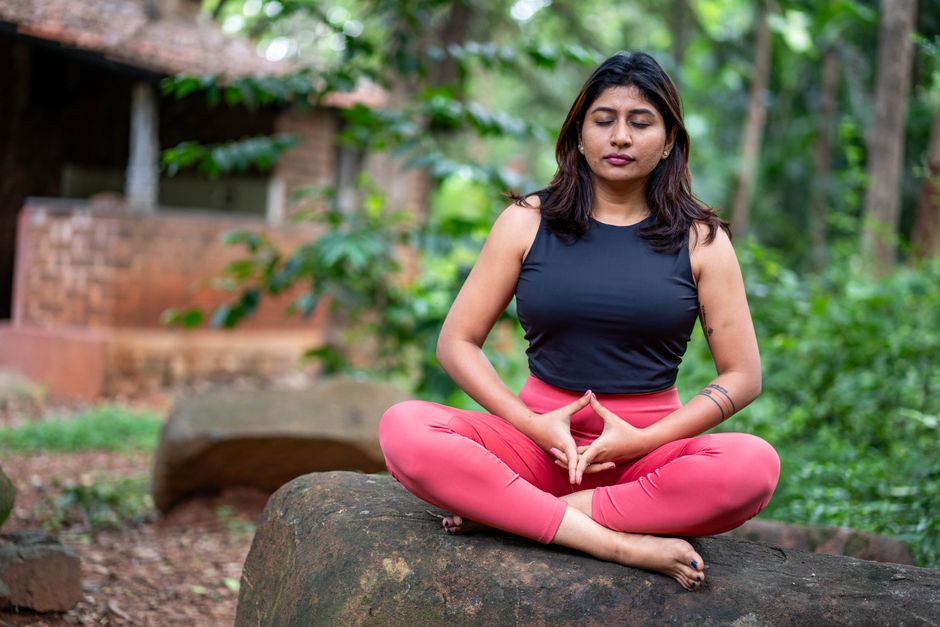
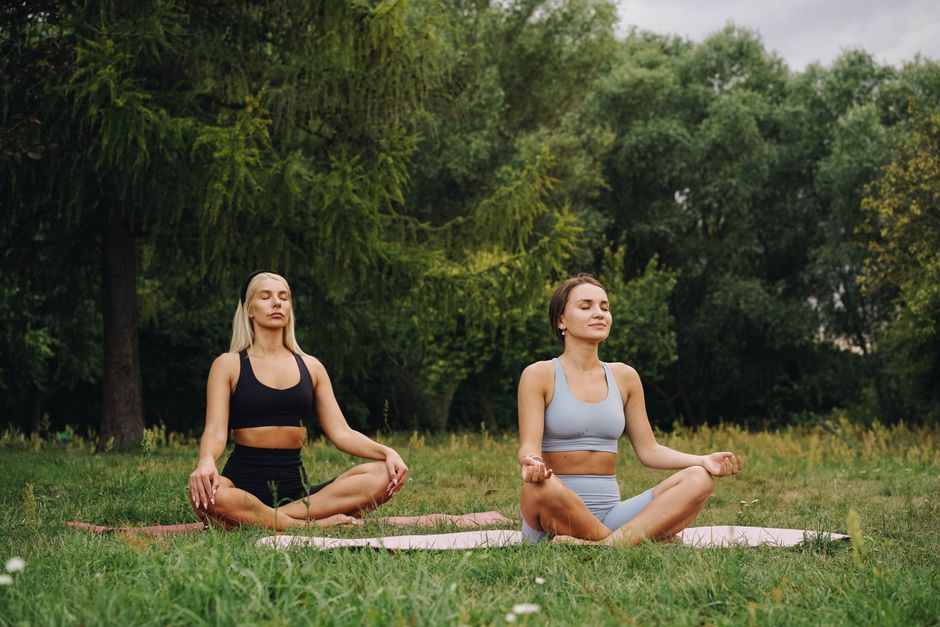
Orlando's wellness calendar is fuller than it's been in years. Across the metro, meditation classes are selling out mid-week, community sit groups have doubled their attendance since January, and at least three locally owned studios have added dedicated mindfulness programming in 2026. The city's reputation for theme parks and late nights is real, but so is its appetite for stillness.
The timing is not accidental. Stress levels tied to housing costs, job uncertainty, and the ambient noise of an election year have pushed more Central Floridians toward structured mental health practices. National surveys back this up: a 2025 report from the American Psychological Association found that 35 percent of U.S. adults said they tried meditation for the first time in the previous 12 months, a record high. In metro areas with younger median ages — Orlando's sits at 37.2 — uptake tends to run higher still. Studios here are responding accordingly.
Where to Show Up in Person
The Mindfulness Center of Greater Orlando, on Corrine Drive in the Audubon Park Garden District, runs a weekly Tuesday-night beginner session that costs $18 drop-in or $60 for a monthly unlimited pass. The 75-minute classes cycle through breath-awareness techniques, body-scan meditation, and short periods of walking meditation in the adjacent courtyard. The center also hosts a free community sit every Saturday morning at 8 a.m. — no registration required, just show up with something to sit on.
Over in Winter Park, the Yoga and Meditation Studio on Park Avenue North has been drawing a lunch-hour crowd to its 45-minute midday sessions, priced at $15 each. The format is compressed and practical, designed for people who need to be back at a desk by 1 p.m. Instructor-led guidance covers the basics of focused attention and open monitoring, the two main styles clinicians recommend for anxiety management. The studio's six-week Foundations of Mindfulness course, which starts its next cohort on July 14, runs $120 total — roughly $20 a session.
For something entirely free, the Audubon Park neighborhood hosts an informal Wednesday-evening meditation gathering at the east end of Leu Gardens' public green space. The group has no formal affiliation, meets weekly at 6:30 p.m., and typically draws 15 to 25 people. Newcomers are welcome. It is, by design, low-key.
Apps That Actually Hold Up
Not everyone can commit to a fixed class schedule, and the app market has matured enough to offer real alternatives. Insight Timer remains the strongest free option — it carries more than 200,000 guided meditations, including several recorded by Central Florida-based teachers, and its basic tier costs nothing. The premium upgrade runs $60 a year and unlocks offline access, which matters if your building's WiFi is unreliable.
Calm, at $69.99 annually, is better suited to people who want structured daily programming rather than an open library. Its Sleep Stories and daily guided sessions have a higher production value, which some users find motivating and others find slick in a way that defeats the point. Headspace, at $70 a year, threads a middle path — its beginner courses are genuinely well-sequenced, and its Focus Music feature has accumulated solid research backing for concentration tasks.
One local option worth noting: the UCF Center for Mindfulness in Orlando's east side launched a free eight-week online Mindfulness-Based Stress Reduction course in spring 2026 for students and staff, and the center has signaled it may open enrollment to community members in a fall 2026 cohort. Check the center's website for announcements in August.
The practical takeaway is that cost is not a barrier here. Between the Saturday morning free sits on Corrine Drive, the Audubon Park evening group, the UCF program, and Insight Timer's free tier, a person in Orlando can build a consistent meditation practice without spending a dollar. If budget allows, the structured eight-week formats — whether in-person or through UCF — offer the kind of accountability that makes the habit stick. Start small. Twenty minutes twice a week is enough to notice a difference within a month, according to a 2024 meta-analysis published in the journal JAMA Internal Medicine. Consult a local mental health professional if you're using mindfulness to manage a clinical condition — it works best as a complement to care, not a replacement for it.