Wellness
A Beginner's Guide to Starting a Meditation Practice in Orlando
You don't need a guru, a cushion, or an app subscription — just five minutes and a willingness to sit still.
4 min read
Updated 7 h ago
Wellness
You don't need a guru, a cushion, or an app subscription — just five minutes and a willingness to sit still.
4 min read
Updated 7 h ago
More Orlando residents are turning to meditation than at any point in the past decade, and local studios say they can barely keep up. Enrollment in beginner meditation programs across the metro area jumped roughly 34 percent between January and June 2026, according to figures shared by the Orlando Wellness Collective, a network of independent studios and practitioners operating out of the Mills 50 district. The numbers track a national pattern: the CDC's most recent behavioral health survey found that roughly 18 percent of American adults now meditate regularly, up from just 4 percent in 2012.
The timing makes sense. Housing costs are squeezing budgets. Screens demand attention around the clock. Researchers at the University of Central Florida's psychology department published findings earlier this year showing that Orlando adults aged 25 to 44 report higher baseline stress scores than the national average — a gap they partly attribute to the region's tourism-industry work culture, where irregular hours and customer-facing pressure are the norm. Meditation doesn't fix the structural problems, but the evidence that it blunts their sharpest edges is now substantial enough that even skeptics are giving it a try.
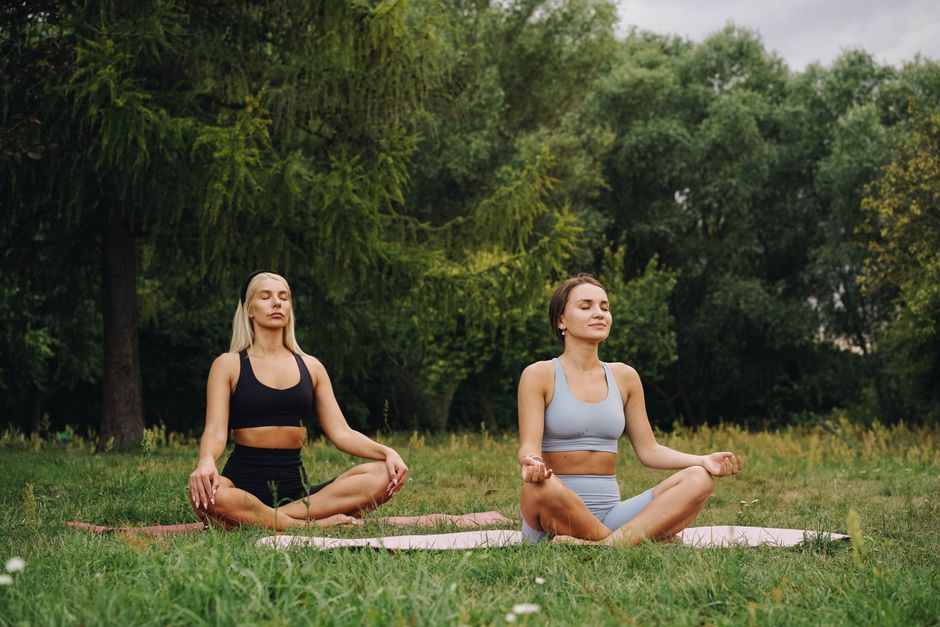
Two venues in particular are worth knowing about if you're brand new to the practice. The Dharma Bum Temple, located on Mills Avenue in the Milk District, runs a free Sunday morning sitting group that welcomes absolute beginners — no registration, no mat required, doors open at 9 a.m. The format is simple: a twenty-minute guided session, a brief teaching, and a short group discussion. It has operated continuously since 2011 and draws a crowd that skews younger than most people expect.
On the west side of downtown, the downtown YMCA branch on West Central Boulevard offers a Tuesday and Thursday mindfulness class as part of its standard membership, which runs $58 a month for adults as of July 2026. The class, called Mindful Movement and Stillness, blends ten minutes of gentle stretching with a twenty-minute seated practice — a format that research suggests works particularly well for people who find pure stillness uncomfortable at first. The instructor holds a certificate from the Mindfulness-Based Stress Reduction program developed at the University of Massachusetts Medical School, the eight-week clinical curriculum that remains the most rigorously studied secular meditation format in existence.
For those who prefer solo starts, the free Insight Timer app offers more than 180,000 guided sessions. A 2024 meta-analysis published in JAMA Internal Medicine found that eight weeks of regular mindfulness meditation produced measurable reductions in anxiety, depression and pain — with as little as 13 minutes of daily practice delivering statistically significant results. That study is now one of the most cited pieces of evidence practitioners use to make the case that you do not need to overhaul your life to feel the effects.
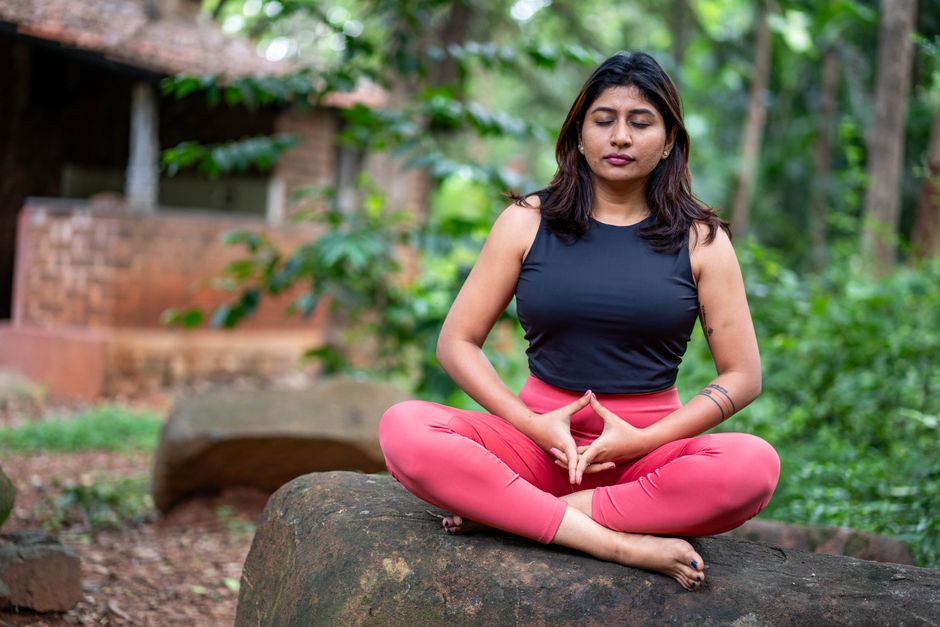
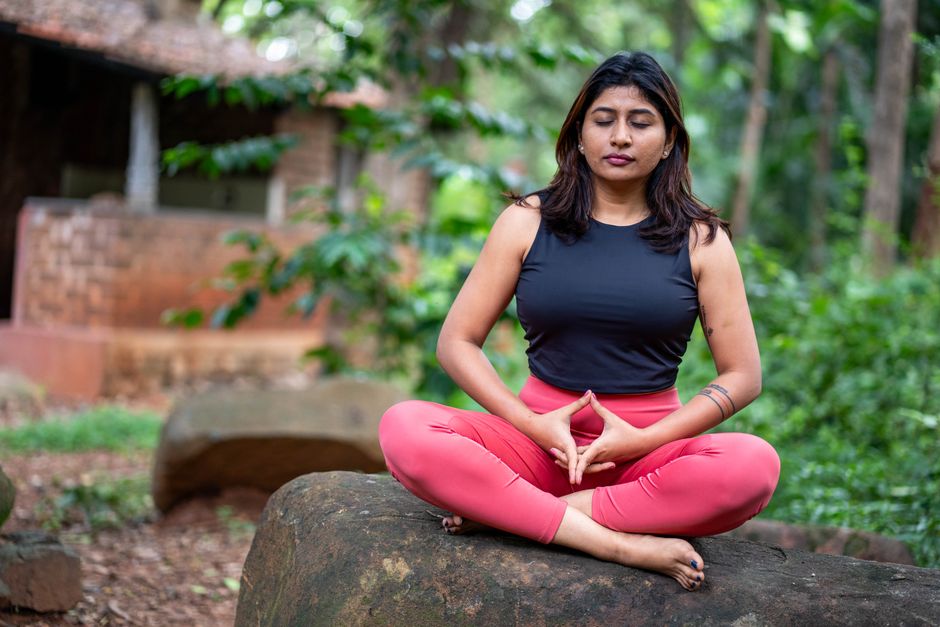
Start with five minutes. Sit in a chair — not necessarily cross-legged on a floor cushion, which is irrelevant to the practice itself. Set a timer. Focus on the physical sensation of breathing: the air moving past your nostrils, the rise and fall of your chest or belly. When your attention wanders — and it will, constantly, especially at the beginning — notice that it has wandered and bring it back. That act of noticing and returning is the practice. You are not failing when your mind drifts; you are doing exactly the work.
Consistency beats duration every time. Five minutes daily for three weeks produces more measurable benefit than a single ninety-minute session, according to behavioral research from Carnegie Mellon University published in 2021. Build gradually. After two weeks at five minutes, try eight. After another two weeks, try thirteen — the threshold the JAMA research identified as meaningful.
The Dharma Bum Temple posts its full schedule at dharmabumtemple.org, and the YMCA's class calendar is updated monthly at ymcacf.org. Both organizations also keep lists of local teachers who offer one-on-one introductory sessions, typically priced between $45 and $75 per hour. If cost is a barrier, several teachers in the Mills 50 and Audubon Park neighborhoods offer sliding-scale rates — worth asking about directly. A local meditation teacher or your primary care physician can help you decide which approach fits your specific situation.
About this article
Published by The Daily Orlando
Spread the word
Daily brief
Free, in your inbox before 7am. Weekdays.
The Daily Network — local news across Australia