Property
Build-to-Rent Developments Promise Perks for Orlando Tenants Amid Affordability Crunch
As homebuying retreats beyond reach for many, new purpose-built rental communities are changing the game for Central Florida renters.
4 min read
Property
As homebuying retreats beyond reach for many, new purpose-built rental communities are changing the game for Central Florida renters.
4 min read
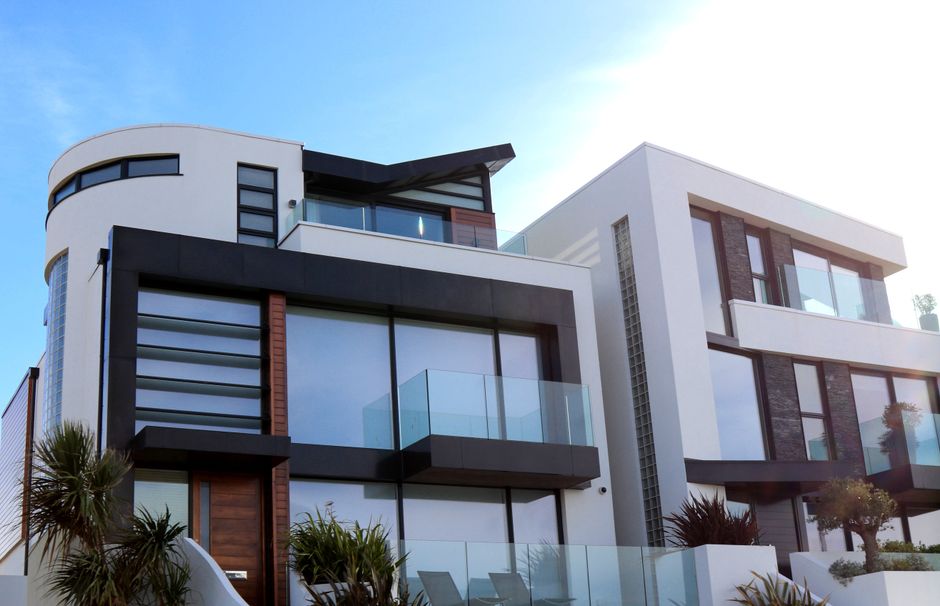
In southeast Orlando, the first tenants at Dwell Home Communities’ new Solterra Estates off Narcoossee Road are settling into their townhomes, drawn by amenities usually reserved for high-end buyers: dog parks, walking trails, and a sparkling resort-style pool. These features are not the only draw—this is the latest build-to-rent (BTR) development, a fast-growing trend providing alternative pathways for Central Florida residents struggling with the buying market.
This shift toward build-to-rent options comes as the dream of homeownership slips further out of reach for many Orlandans. The average sale price for a single-family home in the greater Orlando area rose to $439,000 in May 2026, according to the Orlando Regional Realtor Association. Mortgage rates, meanwhile, have hovered at stubbornly high levels, with 30-year fixed products at 7.1% last week. “We’re seeing more people decide that renting new construction is a better fit for their budget and lifestyle,” said one local leasing manager, reflecting a sentiment echoed across Lake Nona, Winter Garden, and other growth corridors.
Neighborhoods like Meadow Woods and Lee Vista have experienced a surge of BTR projects over the past two years. Roofstock, a national investor in single-family rentals, partnered with locally based Epoch Residential to launch Oak Rise Villas on Curry Ford Road with over 210 units. These communities are purpose-built for renters: individual detached homes or townhomes, each with private backyards, smart-home packages, and on-site maintenance teams. Unlike traditional apartment complexes, BTR tenants don’t share walls—and often skip the hassle of HOA fees or surprise maintenance costs associated with older housing.
As Orlando’s population passed 2.6 million this spring—according to the U.S. Census Bureau—demand for for-sale homes has kept prices elevated. Renters, meanwhile, face a separate squeeze: the median monthly rent for BTR homes in Orange County hit $2,275 in June, 18% higher than the average rent for standard apartments. But BTR operators argue that the value is in the lifestyle: free landscaping, pet-friendly policies, and access to clubhouses, playgrounds, and even yoga lawns have proven a major draw. At Avendale at Moss Park, monthly rents start at $2,395 for a 3-bedroom cottage—well above standard apartments but far below the cost of buying a comparable single-family home in Moss Park Estates, where average mortgages on new purchases now exceed $2,800 per month, not including tax and insurance.
For many tenants, BTR is less about saving money and more about flexibility and access to amenities. “Options like these allow me to live in a neighborhood I couldn’t afford to buy into,” said one longtime Belle Isle resident, now renting at Luna Place off South Goldenrod Road. Nationwide, Yardi Matrix reported in May that Orlando leads the Southeast in newly delivered BTR units, with over 3,400 new homes becoming available since 2024—with another 1,800 scheduled to open by early 2027.
Renters tempted by amenities and predictable expenses should still read the fine print. While BTR communities often include maintenance and lawn care, tenants remain responsible for utility costs, and some charge fees for pet amenities or clubhouse access. Lease renewals may also come with significant rent hikes, depending on demand and market vacancy rates.
For Orlandans weighing whether to buy or rent in the next 12 months, financial experts suggest running a side-by-side analysis: include upfront costs, likely rent increases, and potential home price appreciation. For now, the city’s new-build rental landscape offers more options—and a taste of the homeowner lifestyle—without the long-term commitment. Several BTR communities, including those from Progress Residential and Invitation Homes, have local leasing offices open for walk-ins on holidays like July 4th, providing tours for would-be residents. As this sector grows, competition among operators could bring new incentives—or, just as likely, stiffer competition for prime properties across Orlando’s most desirable zip codes.
Property

Property
Property

Property
About this article
Published by The Daily Orlando
Spread the word
Daily brief
Free, in your inbox before 7am. Weekdays.
The Daily Network — local news across Australia