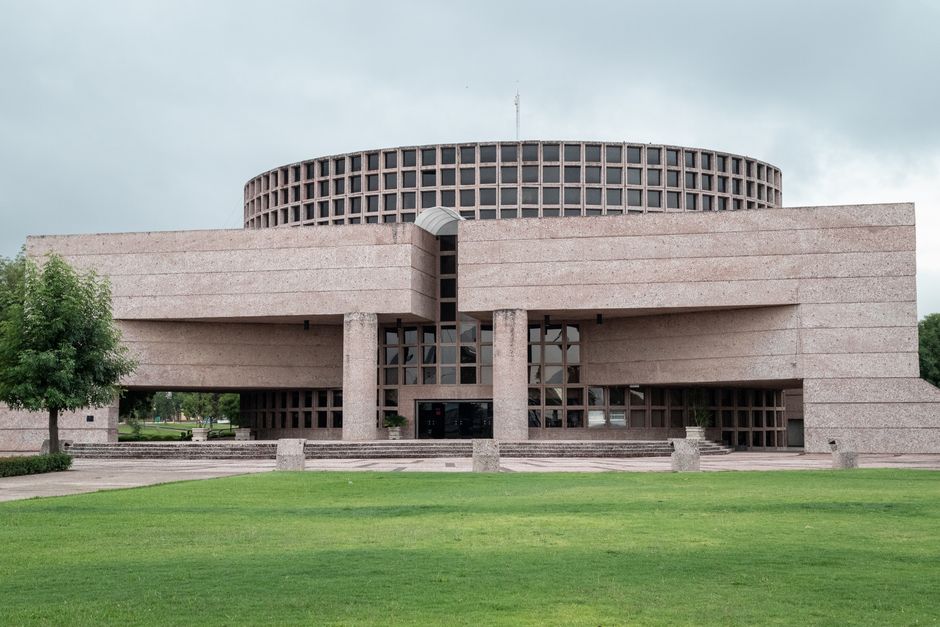
Orlando Tightens Development Approval Rules, Giving Residents More Time to Weigh In
Changes to the city's community consultation process mean Orlando homeowners and renters now have a longer window to review and respond to proposed developments in their neighborhoods.
This article was generated by AI from the linked public sources. The Daily Orlando is independently owned and covers Orlando news free from advertiser or sponsor influence. Read our editorial standards →
Orlando's Planning and Zoning Board has adopted revised procedures for development approvals that extend the mandatory public notice period from 10 days to 21 days, effective this month. The change applies to all major rezoning applications, conditional use permits and large-scale site plan reviews filed with the City of Orlando Development Services Division. For residents living near proposed commercial corridors, infill housing projects or mixed-use developments, the practical effect is straightforward: more time to review project documents, attend neighborhood meetings and submit written comments before a vote takes place.
The revision comes as Orlando's development pipeline continues to run at high volume. The city received 1,247 development applications in fiscal year 2025, according to figures published in the Orlando Permitting, Planning and Enforcement annual report. That figure represents a 14 percent increase over fiscal year 2023. Neighborhoods from Parramore to the Milk District to College Park have each seen multiple large-scale applications in the past 18 months, and some residents and community groups had complained that the old 10-day window did not give them enough time to organize before public hearings.
What the Changes Mean on the Ground
The extended notice period is one of three procedural updates now in effect. The revised rules also require applicants seeking approval for projects exceeding 50,000 square feet to hold at least one in-person neighborhood meeting before their application reaches the Planning and Zoning Board. Previously, that meeting was strongly encouraged but not mandatory. Additionally, all public notice mailings must now go to property owners within 500 feet of the proposed site, up from 300 feet. For a dense neighborhood like Thornton Park or the Colonialtown South area, that radius difference can mean dozens of additional households receiving direct notification.
Residents can use the City of Orlando's GIS-based development tracker, available through the city's official portal, to monitor active applications by address or neighborhood. Planning staff confirmed this week that the tracker is updated within 48 hours of a new application being deemed complete. Anyone who submits written comments through the portal before a scheduled hearing date has those comments entered into the public record and reviewed by board members ahead of any vote.
Data and What Comes Next
Community consultation requirements in Florida are governed partly by state statute and partly by local ordinance. Chapter 166 of the Florida Statutes sets baseline requirements for municipal land use decisions, but cities retain authority to exceed those minimums. Orlando's updated ordinance, designated as Amendment 2026-14 in the city's legislative record, goes beyond the state floor on both notice period length and neighborhood meeting requirements. Urban planning researchers at the University of Central Florida's School of Public Administration have found, in published work from 2024, that communities with mandatory pre-hearing neighborhood meetings report higher rates of resident awareness about proposed projects and lower rates of post-approval legal challenges.
The city's Development Services Division says the 21-day notice period is expected to add between two and three weeks to the front end of some application timelines. Applicants with complex projects are advised to factor that into their schedules. For residents, the more immediate effect is that hearing dates will be posted further in advance, reducing the risk of a neighbor missing a vote because they only learned about it after the fact. The Planning and Zoning Board meets twice monthly at Orlando City Hall, 400 South Orange Avenue, and all hearings are open to the public. Orlando's Office of Neighborhood Relations also maintains a free alert system that sends email notifications to subscribers when a new application is filed within a selected neighborhood boundary. Residents can sign up through the city's official neighborhood portal. The revised procedures apply to all applications filed on or after July 1, 2026.
Covering policy in Orlando. This article was generated by AI from the linked sources and was not reviewed by a human editor before publishing. See our editorial standards.