The cardboard boxes stacked in the Orange County Regional History Center's climate-controlled vault on Church Street contain more than aging photographs and municipal records. They hold the raw material of Orlando's evolving identity—a city that spent decades chasing tomorrow while nearly losing yesterday.
This summer, that's changing. As global crises dominate headlines—from the Ukraine conflict reshaping European borders to extreme weather pushing governments worldwide toward climate action—Orlando's cultural institutions are doubling down on a different kind of urgent work: excavating and amplifying the local stories that define who this place actually is, not who it markets itself to be.
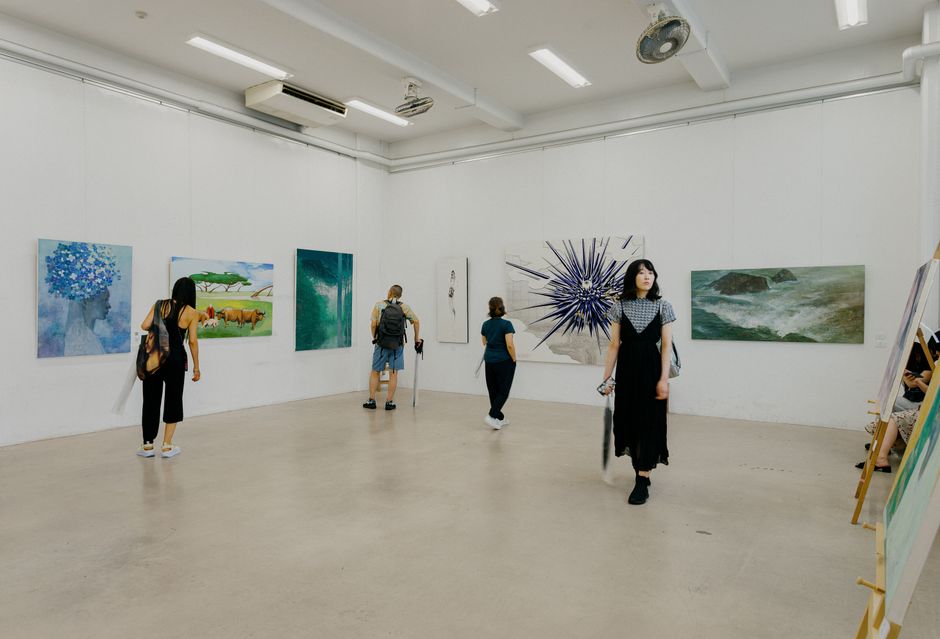
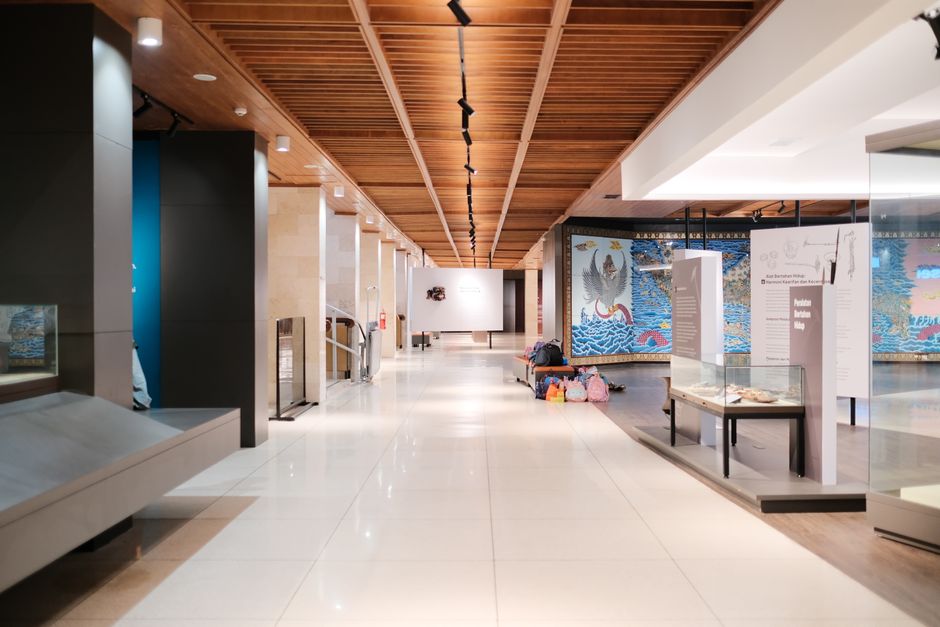
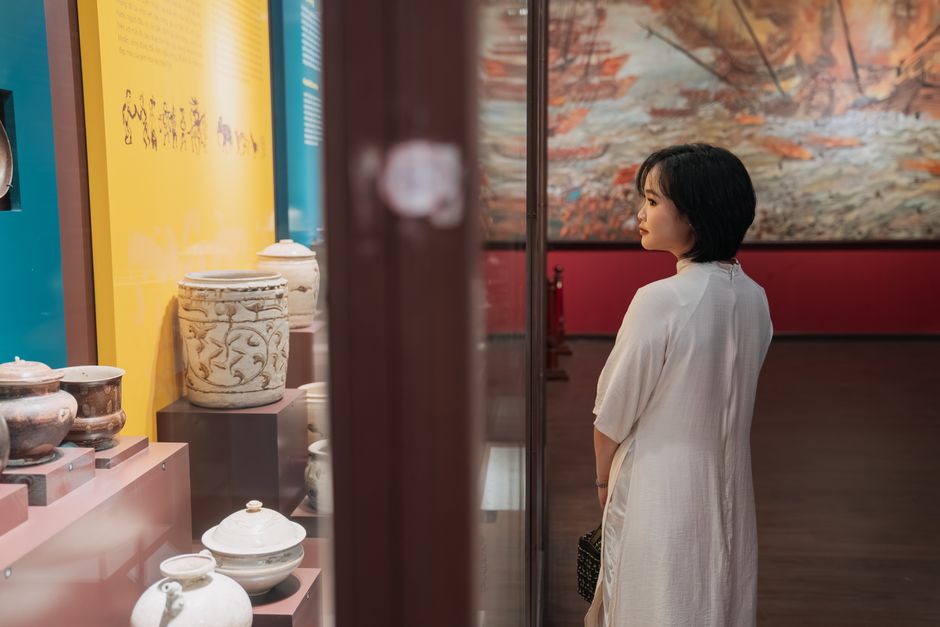
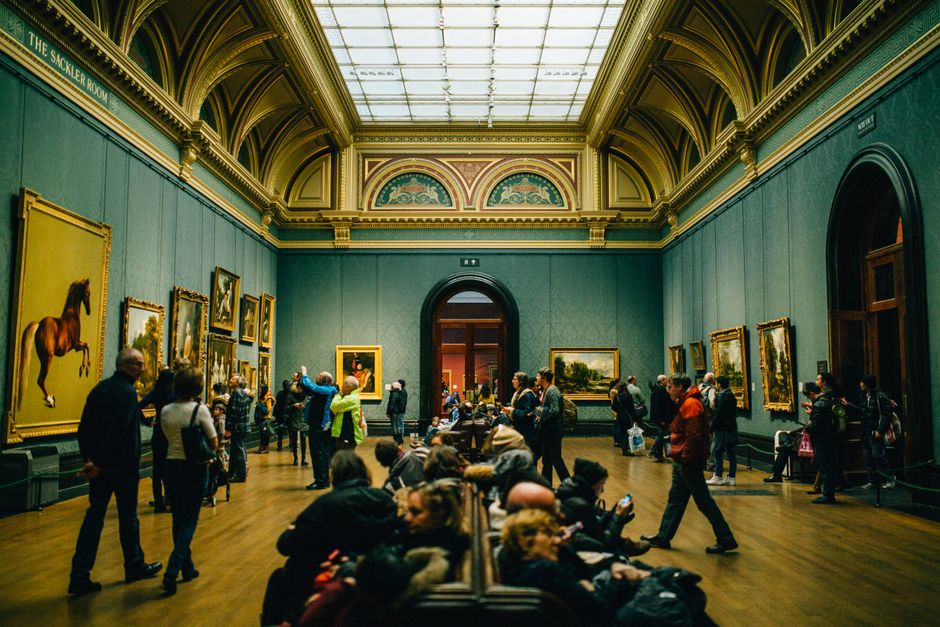
The shift is visible across the city's creative landscape. The Morse Museum on Park Avenue recently wrapped a six-month exhibition on the African American communities that built early Orlando, drawing 3,200 visitors—a 41 percent increase over comparable 2024 programming. Meanwhile, the Downtown Arts District has become a testing ground where visual artists, theater makers, and musicians are mining the Orange County Regional History Center's archives and the smaller collections held by organizations like the Zora Neale Hurston National Museum of Fine Arts in Eatonville, just outside the city limits, to create work that speaks to contemporary Orlando audiences.
Archives as Creative Fuel
The Eatonville museum, dedicated to the Harlem Renaissance writer and anthropologist who lived and worked in the area, has partnered with a collective of local playwrights and performance artists to develop a monthly storytelling series called "Documented," where artists respond to archival materials with new work. The first three sessions, held in June, brought audiences to the museum's historic building on Kennedy Boulevard, where the average attendance jumped from 60 people per event to 187 by the final night.
"What we're seeing is an appetite—a real hunger—for cultural work that's rooted in actual place," said Katherine Webb, the Eatonville museum's executive director, during a phone conversation Thursday. "Artists aren't inventing narratives anymore. They're excavating them. That distinction matters."
Back downtown, the Orange County Regional History Center has made its archival digitization a visible process rather than a behind-the-scenes operation. The institution now hosts monthly open studio sessions where local creators—from graphic designers to sound artists—work in the vault itself, surrounded by materials they might transform into installations, albums, or gallery pieces. A digital archive of over 12,000 items launched in March, searchable by neighborhood, date, and subject matter. Usage data shows that neighborhood-specific searches, particularly for historic East Orlando and the neighborhoods around Lake Eustis Boulevard, account for 58 percent of all platform traffic since launch.
Why Local History Matters Now
The timing isn't accidental. As Orlando confronts rapid growth—the metro area added roughly 245,000 residents between 2010 and 2020—the city's cultural institutions are positioning historical work as an anchor against the kind of rootless expansion that erases place identity. The city's creative economy, worth an estimated $4.2 billion annually according to a 2024 Urban Land Institute analysis, increasingly depends on authenticity and specificity. Generic development doesn't attract serious artists or the audiences that support them.
The Heritage Center charges $15 for general admission; Morse Museum tickets are $6 for adults. Both institutions report that ticket sales have remained stable even as programming costs rose 23 percent year-over-year, suggesting robust community investment in their work.
Several new projects launching in fall will test whether this momentum holds. The Downtown Development Board is funding a public art initiative called "Reimagined Spaces," where four teams of local artists will create site-specific installations in vacant storefronts along Church Street, each responding to the block's documented history from 1950 to 1990. Applications close July 31.
For Orlando's creative class, the message is clear: the city's future isn't being written in corporate master plans anymore. It's being written in archives, on gallery walls, and in the stories neighbors tell each other about where they actually live.