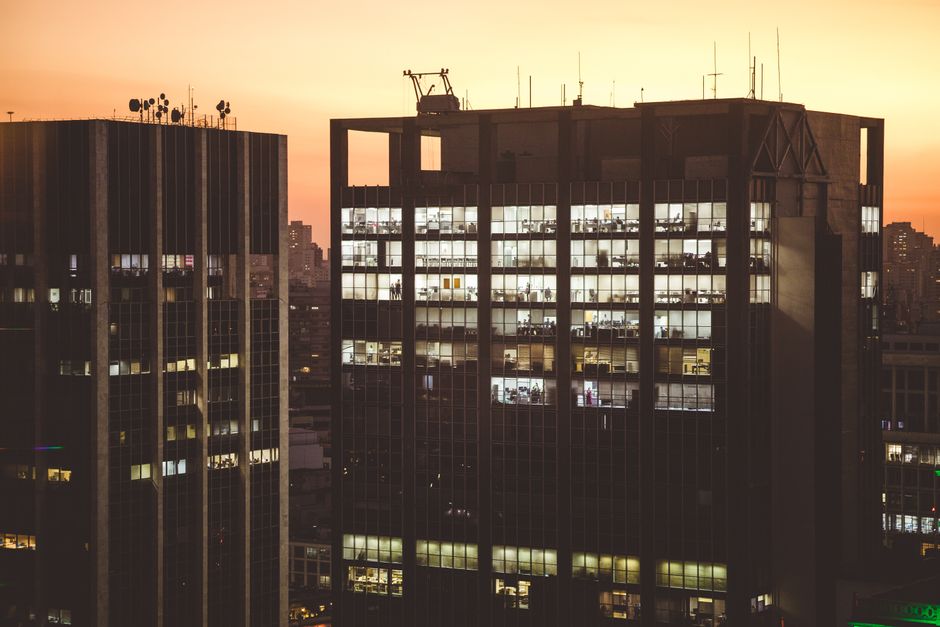
Orlando's commercial real estate market posted its tightest office vacancy rate in seven years this quarter — 11.2 percent across the metro, according to figures compiled by the Orlando Economic Partnership — and the businesses scrambling to lock in space before rents climb further are telling a story about which sectors are genuinely winning right now.
The timing matters. The broader national picture is complicated: record heat has disrupted events from Washington to Philadelphia this holiday weekend, global travel patterns keep shifting, and operators everywhere are watching input costs. But Orlando is insulated from several of those headwinds by the specific mix of its economy — tourism infrastructure, medical technology, and a fast-maturing tech-startup corridor that is drawing relocations from higher-cost metros.
The Sectors Moving Fastest
International Drive is the obvious headline. Three hotel properties between Sand Lake Road and the Orange County Convention Center have completed or begun major capital renovation programs since January, collectively representing more than $340 million in private investment. The convention center itself is projecting 1.1 million attendee-days for the second half of 2026, and vendors — from catering contractors to audiovisual firms — are reporting forward bookings they haven't seen since before 2020.
Less visible but arguably more durable is the momentum in the Creative Village district near Amelia Street downtown. UCF's downtown campus, which enrolled its first students in 2019, has become a genuine pipeline for the 40-odd tech and health-tech companies now headquartered or regionally anchored within a half-mile radius. Startups in that zone raised a combined $87 million in venture and angel capital in the first six months of 2026, the highest six-month total on record for the district, per figures from the Florida Venture Forum.
Foxtail Coffee, which was founded in Orlando and now operates 22 locations across the Southeast, signed leases on two new storefronts in the Milk District and in Winter Park's Park Avenue corridor in June — a signal that consumer-facing brands with local roots still see growth room in the market. On the residential side, median home prices in the 32801 zip code — the downtown core — hit $389,000 in May, up 6.4 percent year-over-year, according to data from the Orlando Regional Realtor Association. That appreciation is driving equity-flush homeowners to leverage their positions into small-business investment and franchise purchases at a rate loan officers at several SunTrust-successor Truist branches on Orange Avenue say they haven't processed since the mid-2010s.
Labor Market: Tight, But Not Frozen
Orange County's unemployment rate stood at 3.1 percent in May, below the national average of 4.0 percent. That's squeezing hospitality operators who need to staff up for the convention and fall-tourism surge, but it's also pushing wages. The starting hourly rate for theme-park floor workers at Walt Disney World's Lake Buena Vista complex is now $19.50 under the current union agreement, a benchmark that competing employers across the corridor — from Marriott properties on Universal Boulevard to the new Brightline station retail tenants — are being forced to meet or exceed to fill shifts.
Workers with bilingual skills — particularly Spanish and Portuguese, reflecting both a growing Brazilian visitor base and the metro's own demographic makeup — are commanding a 12-to-18 percent wage premium in hospitality management roles, according to placement data from staffing firm RemX, which operates a regional office on Westmoor Drive in the Maitland Center complex.
The practical upshot for anyone watching Orlando's economy this summer: property and labor are both expensive relative to five years ago, but the demand fundamentals supporting both are real and near-term specific. Businesses that locked in commercial leases before Q1 rate adjustments, built bilingual teams, and positioned for the convention-center calendar are running well ahead. Those still making decisions have a narrowing window — the next round of OCCC anchor bookings for 2027 closes in September, and the commercial parcels with direct Brightline access near Garland Avenue are already under letter-of-intent for three of the four remaining available units.